Projects
Protection
Year
2022-ON GOING
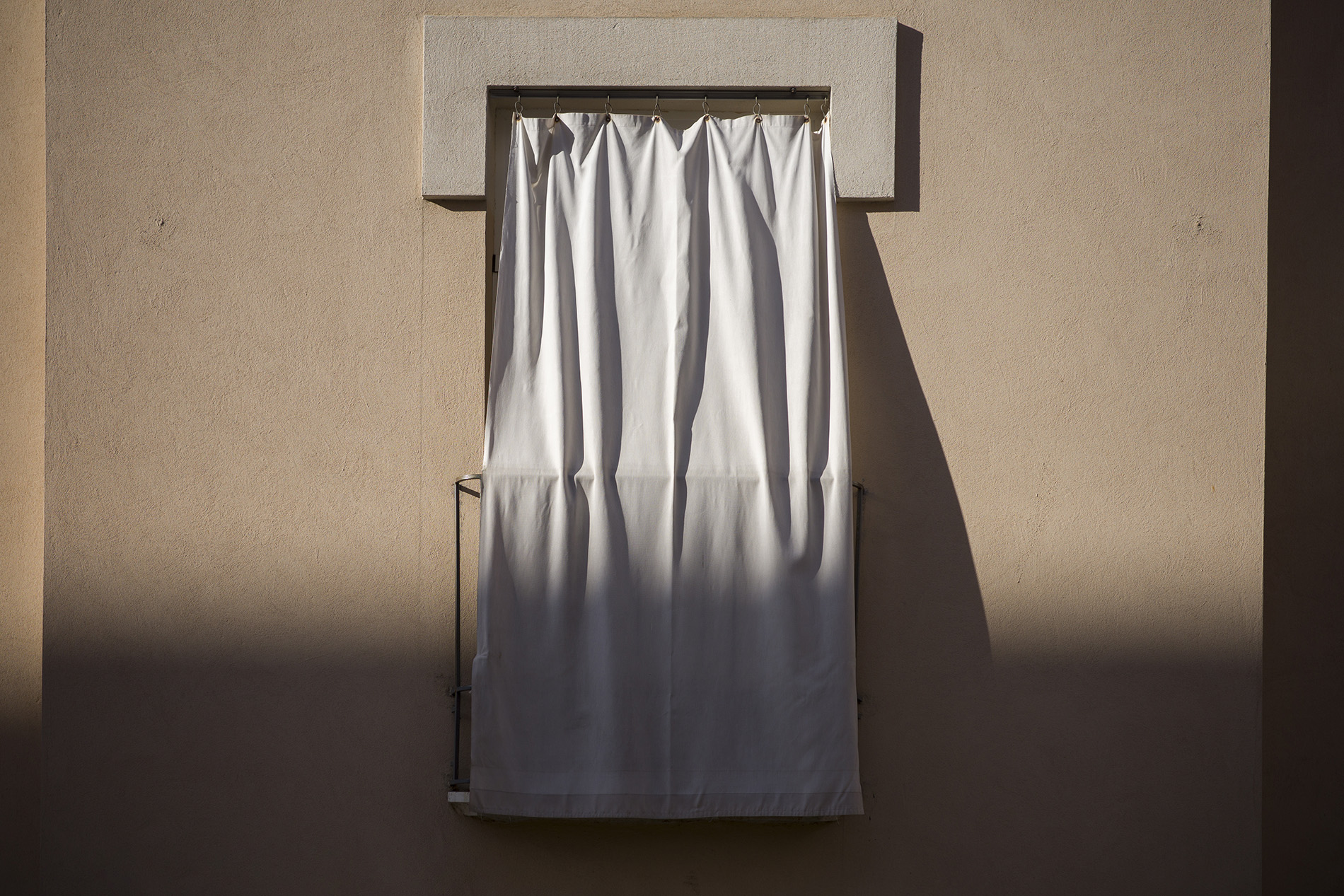
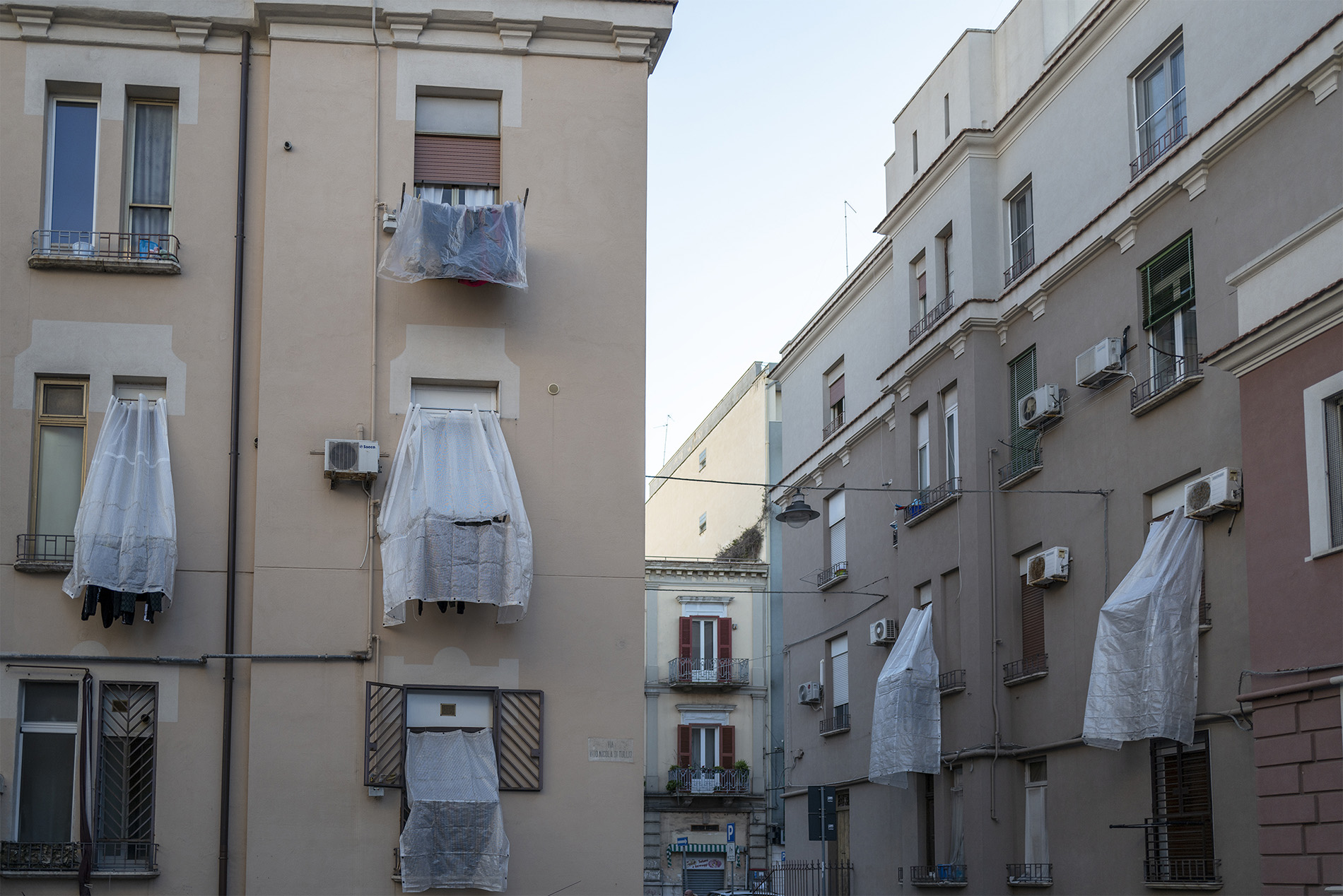
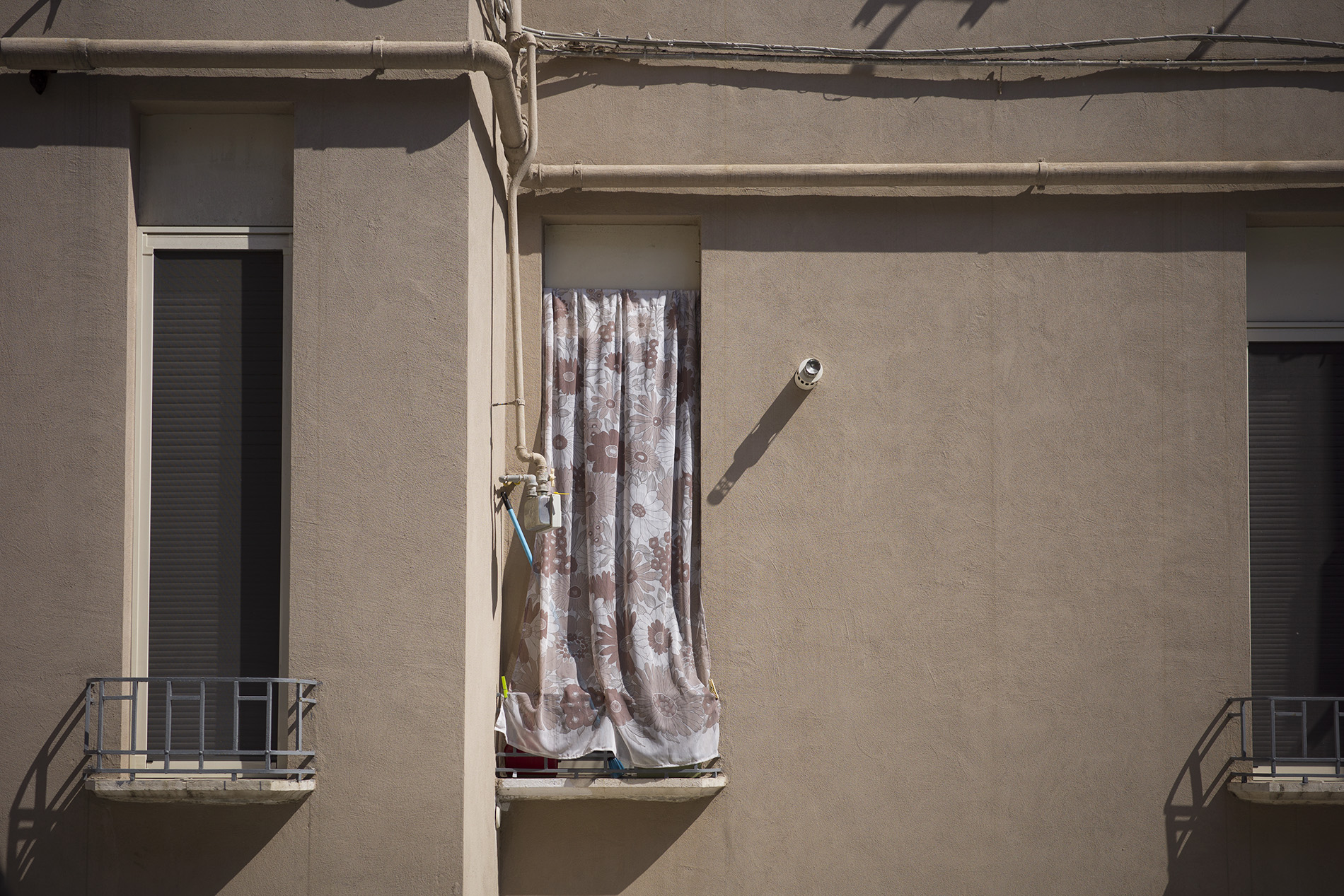
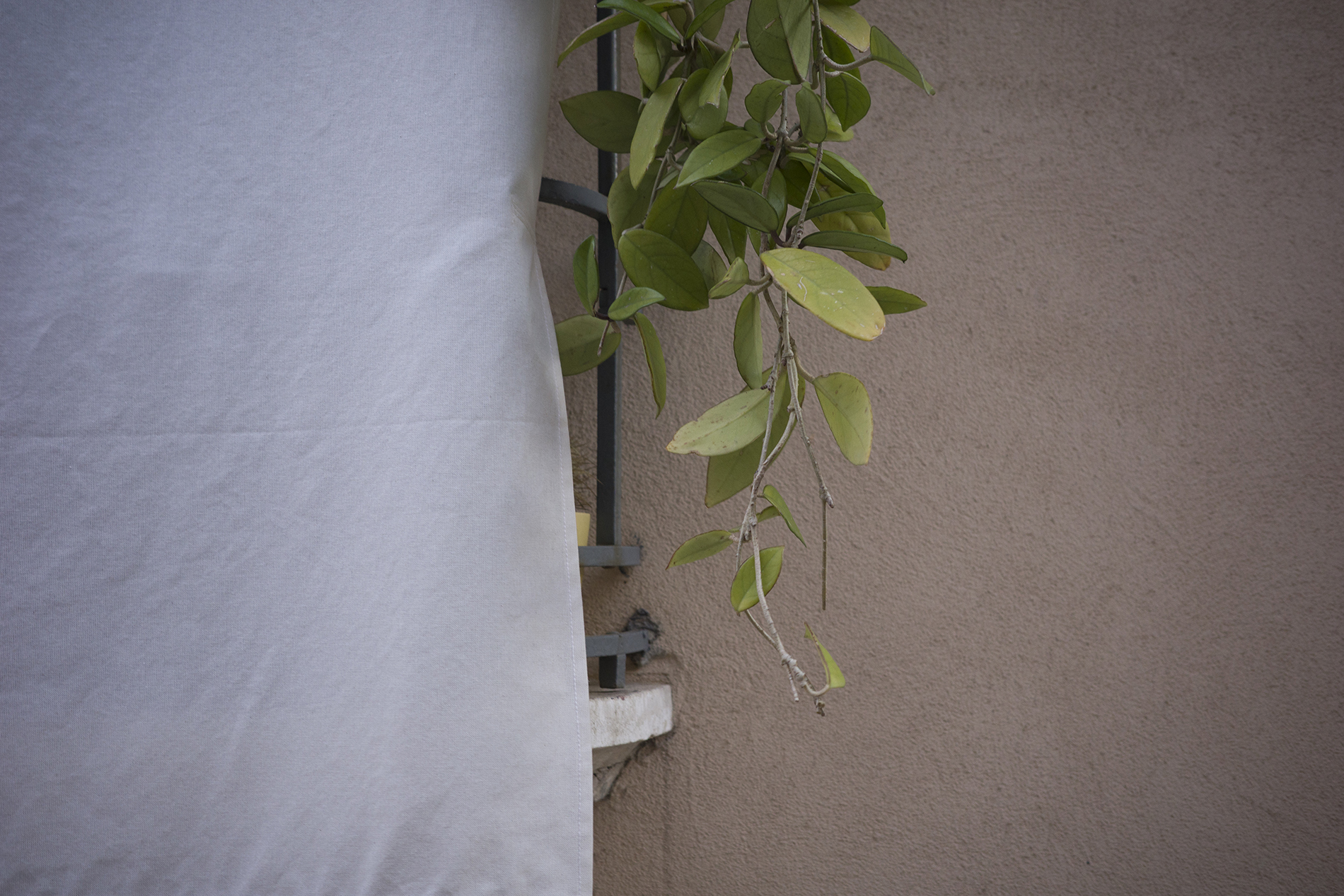
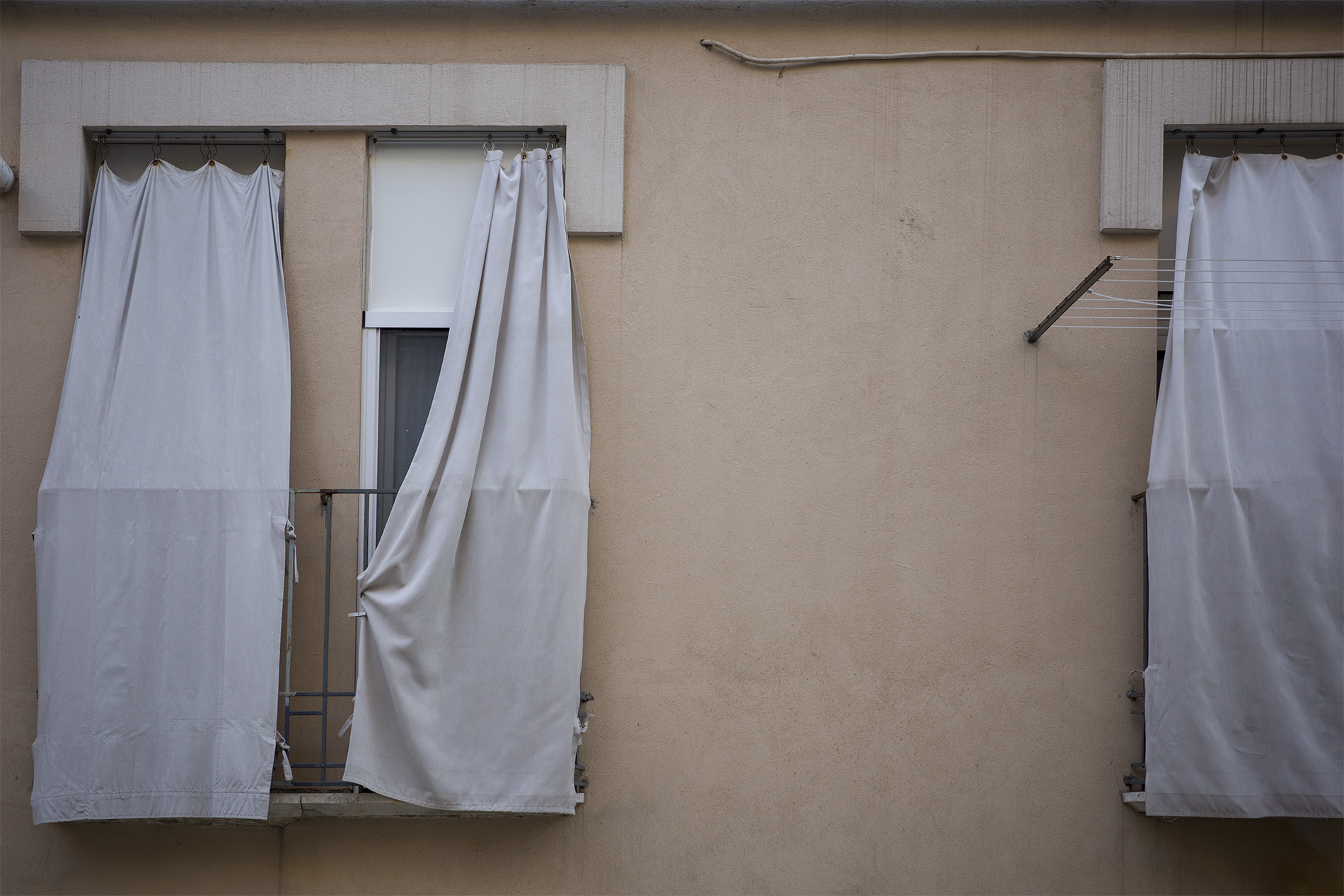
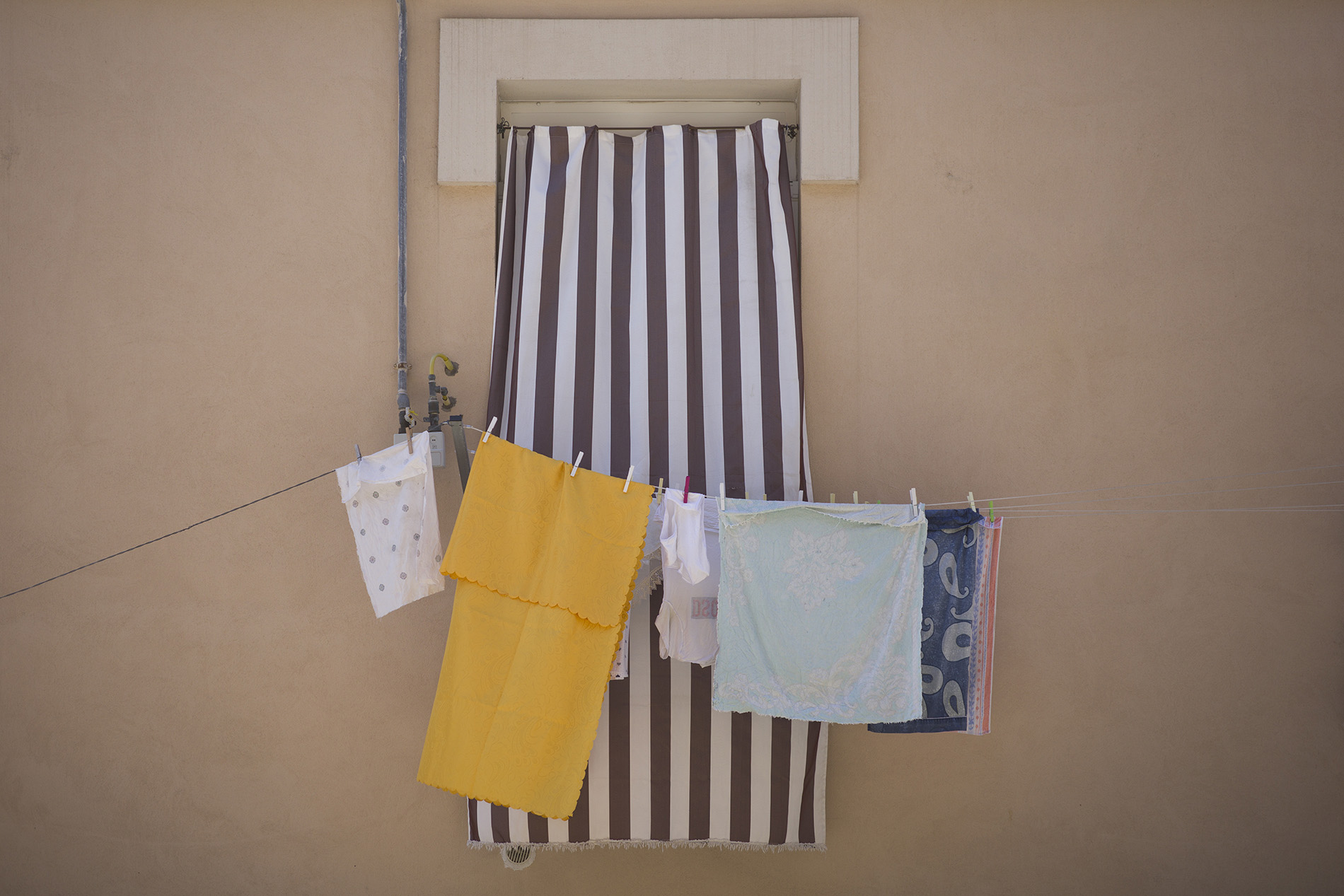
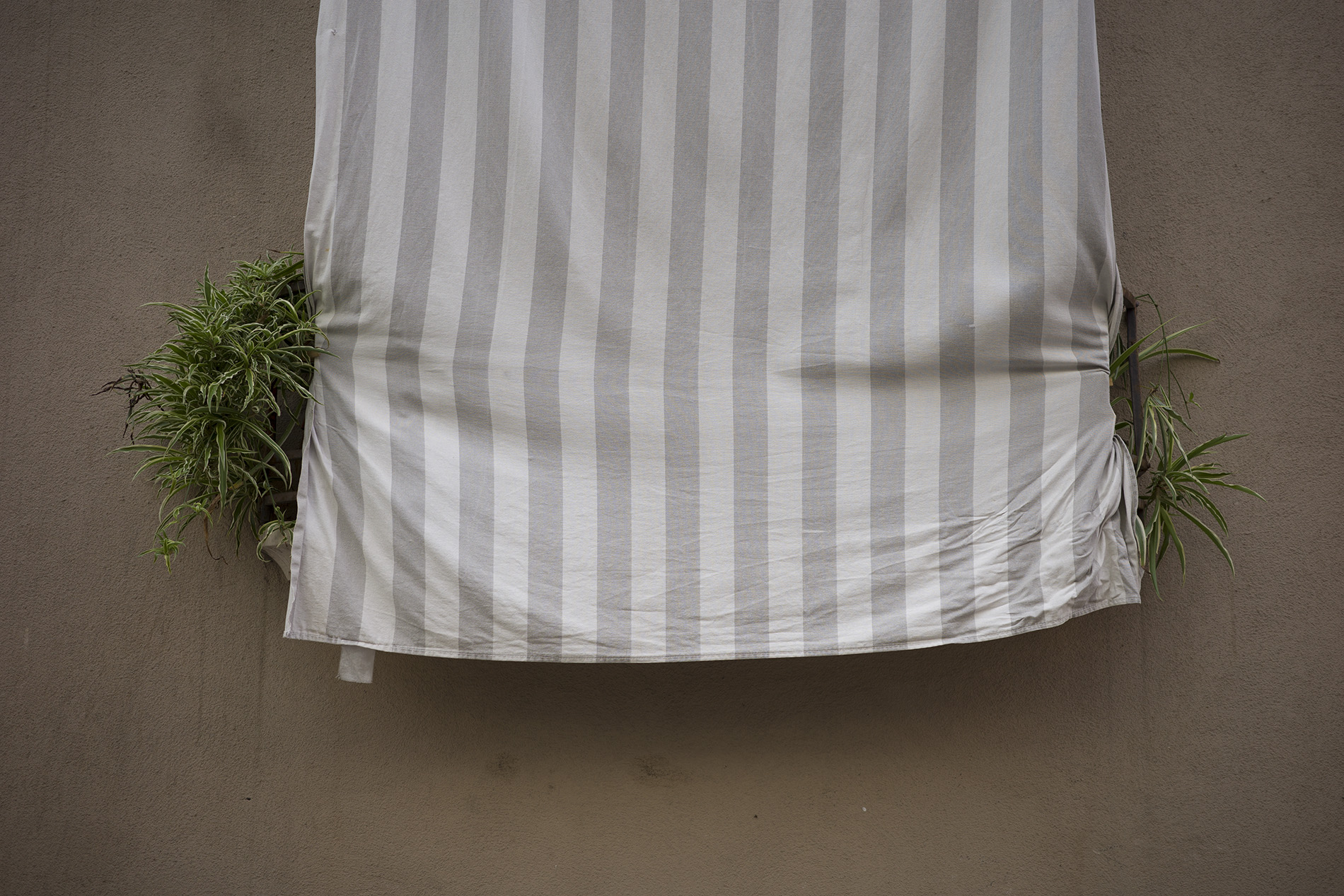
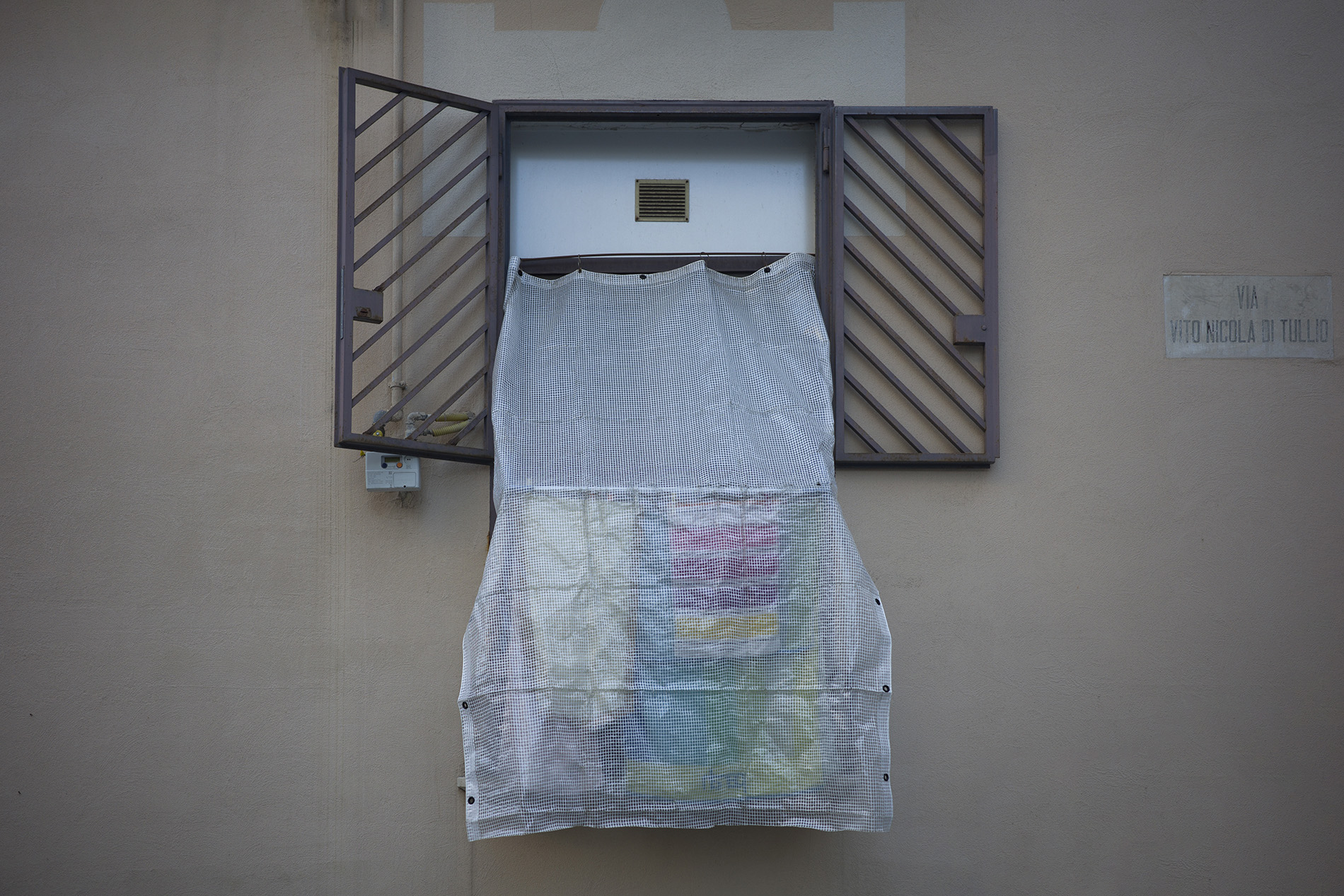
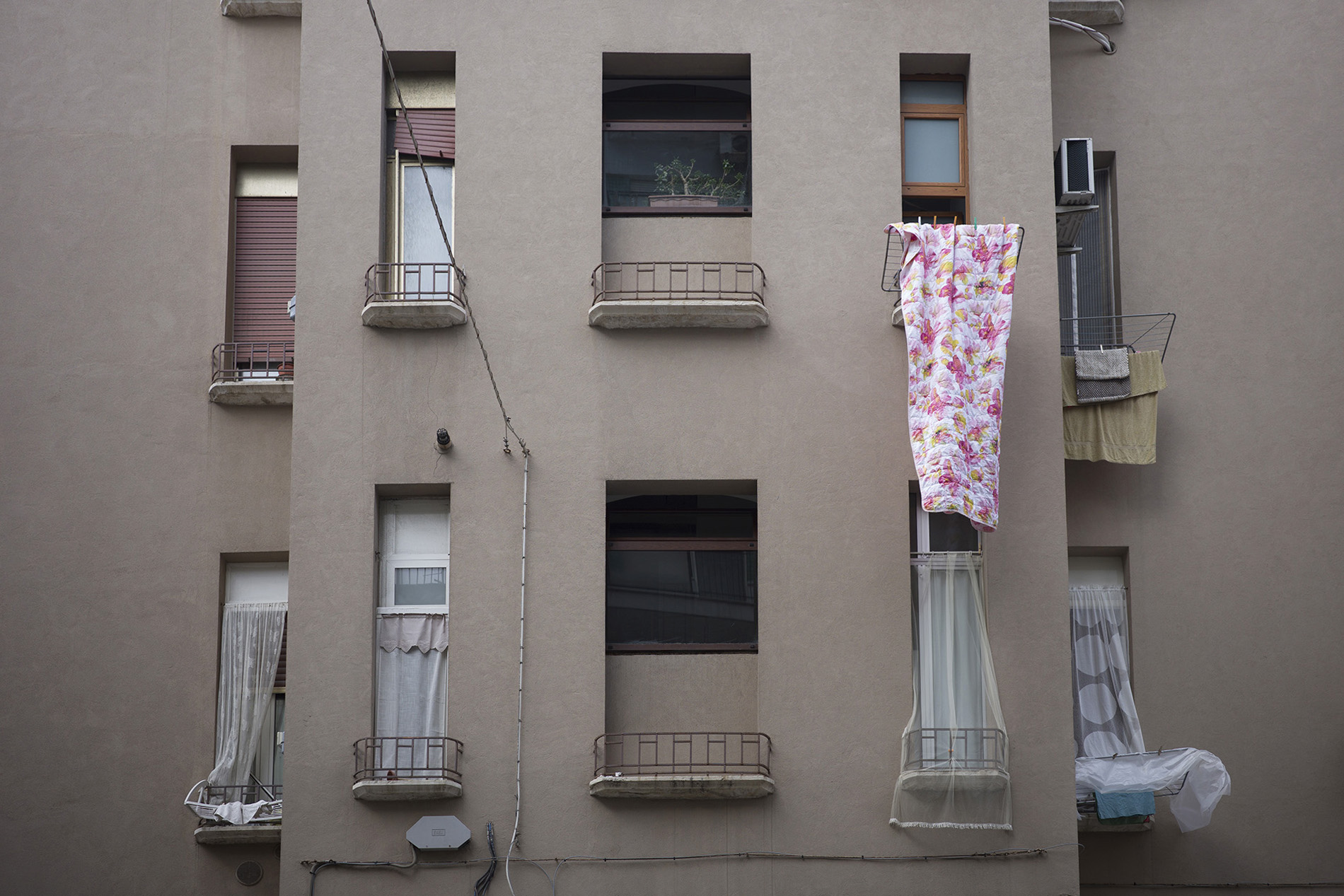
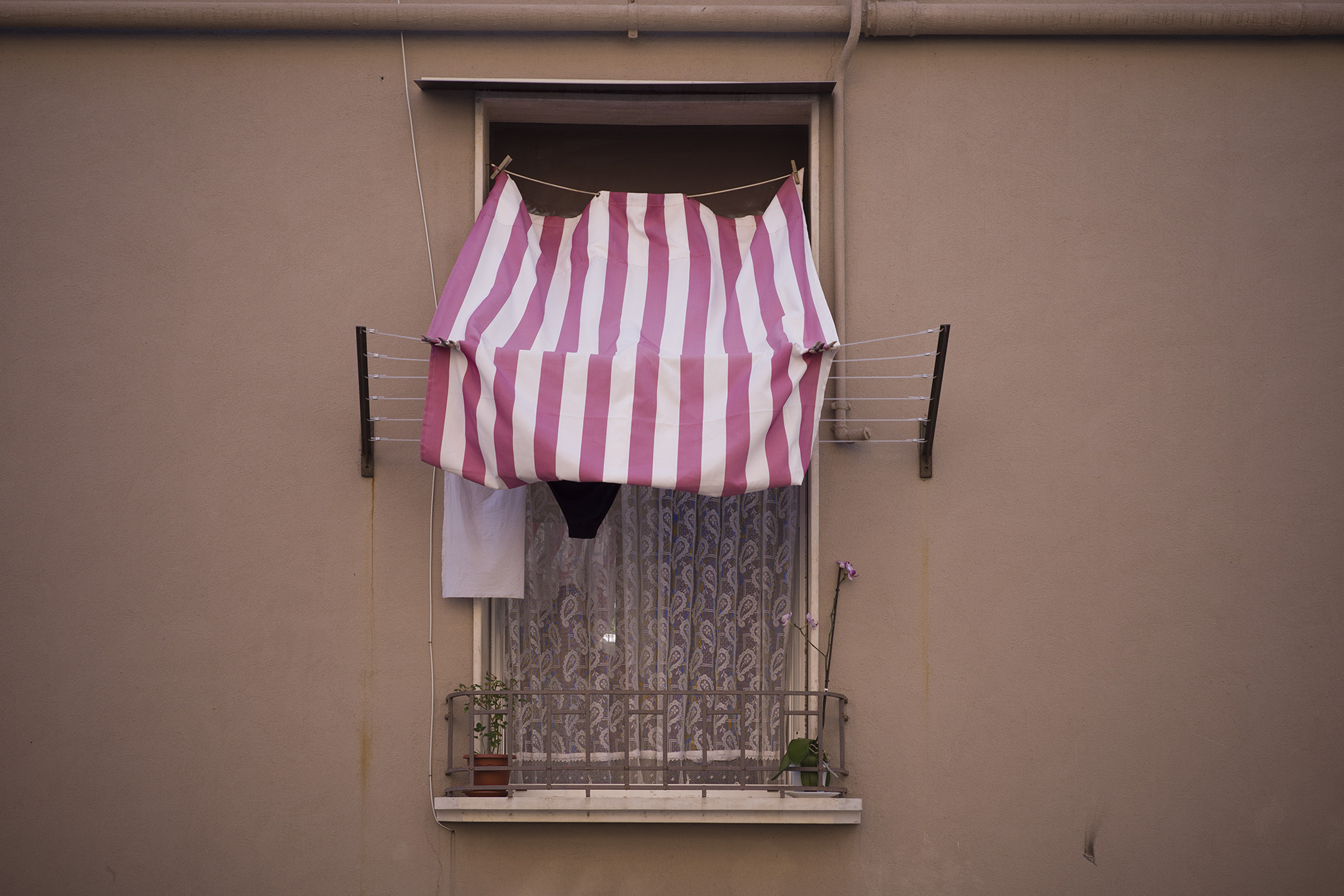
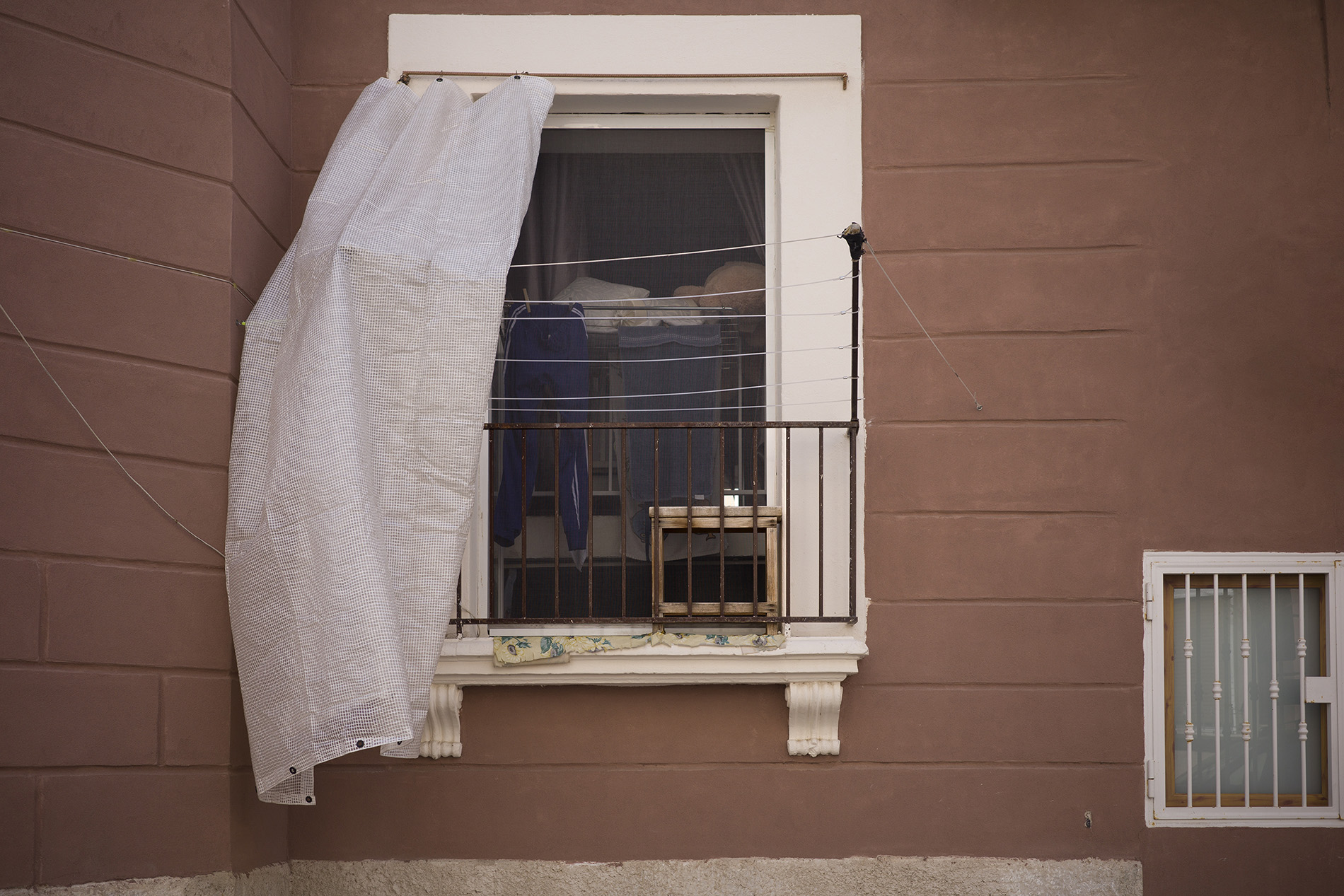
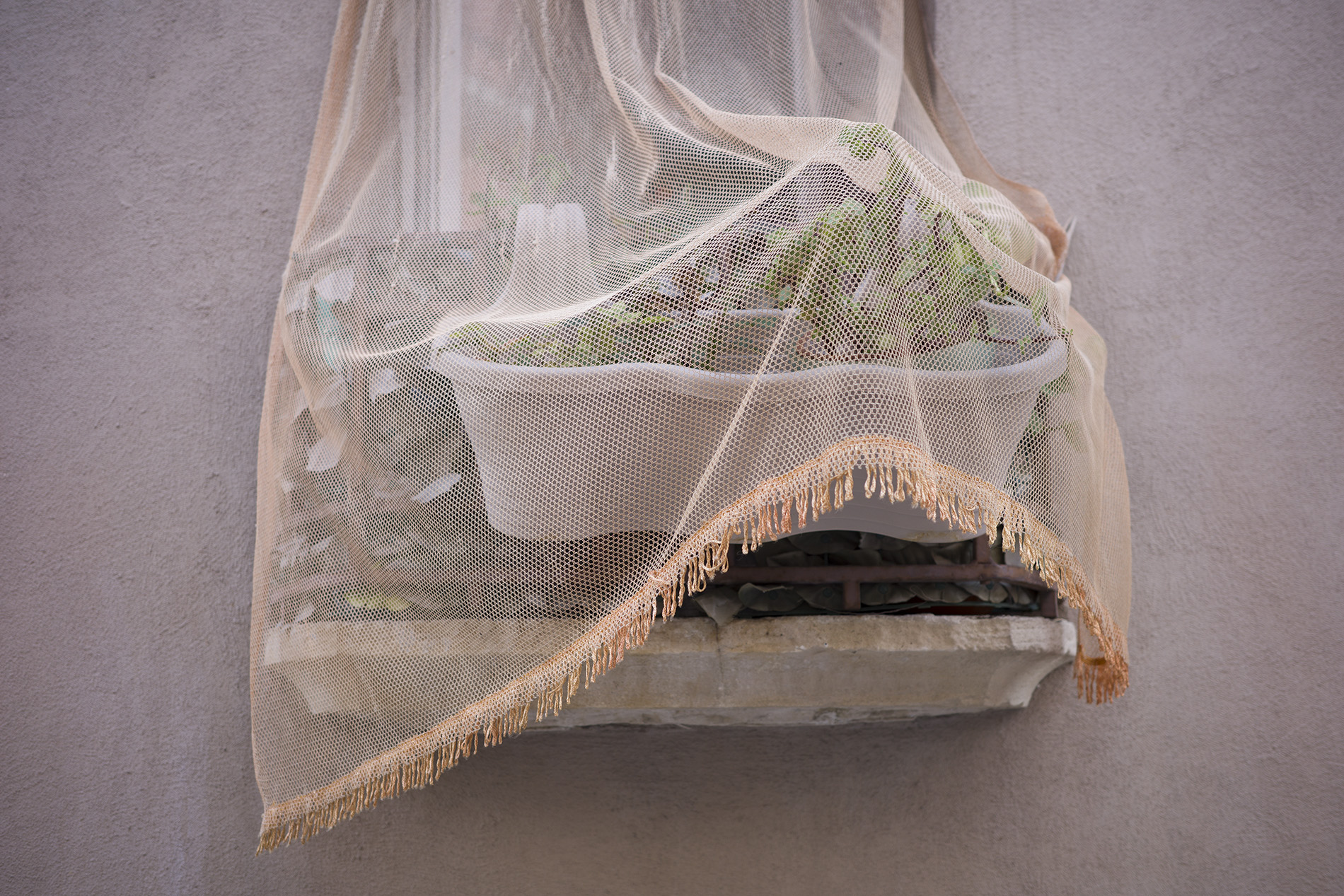
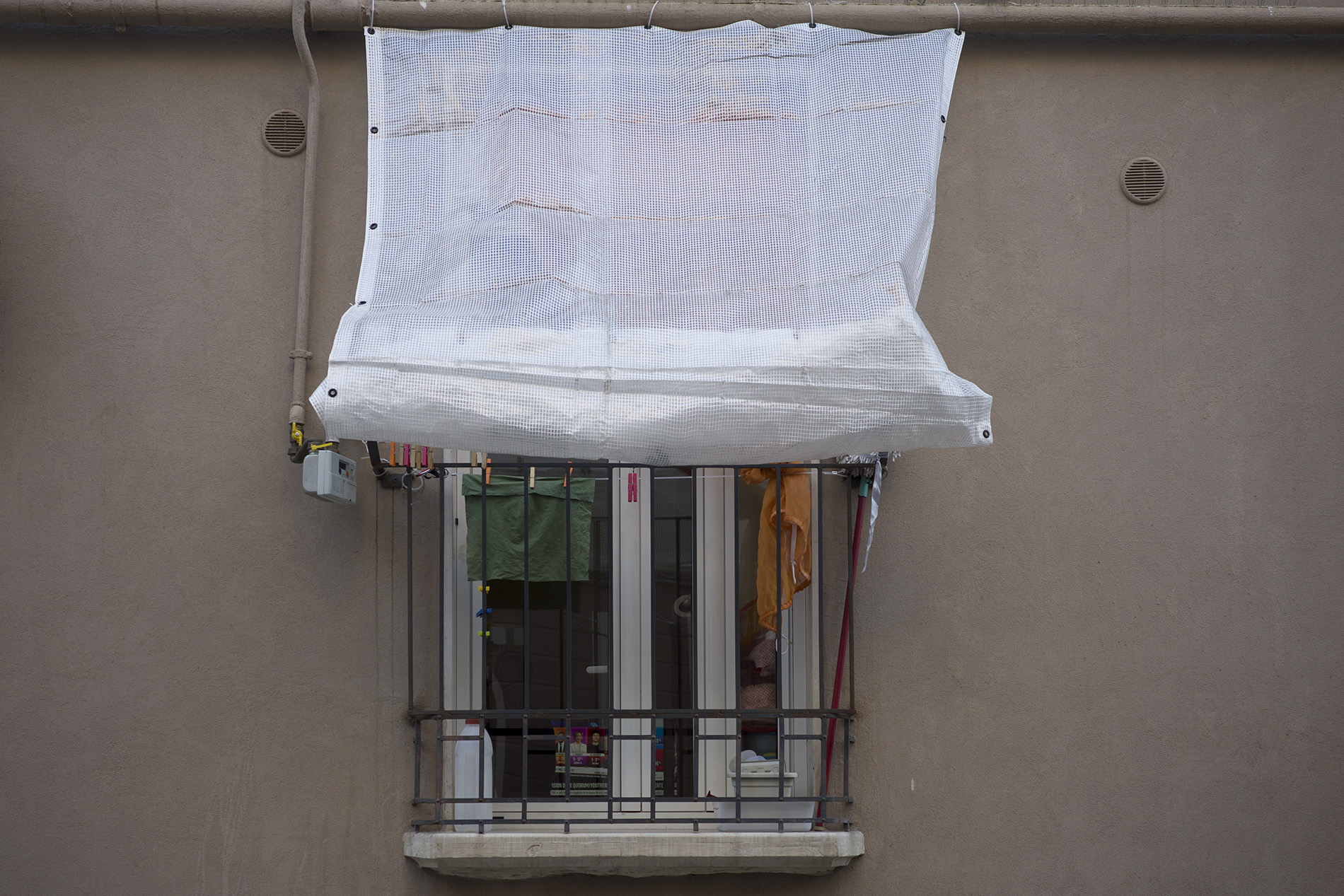
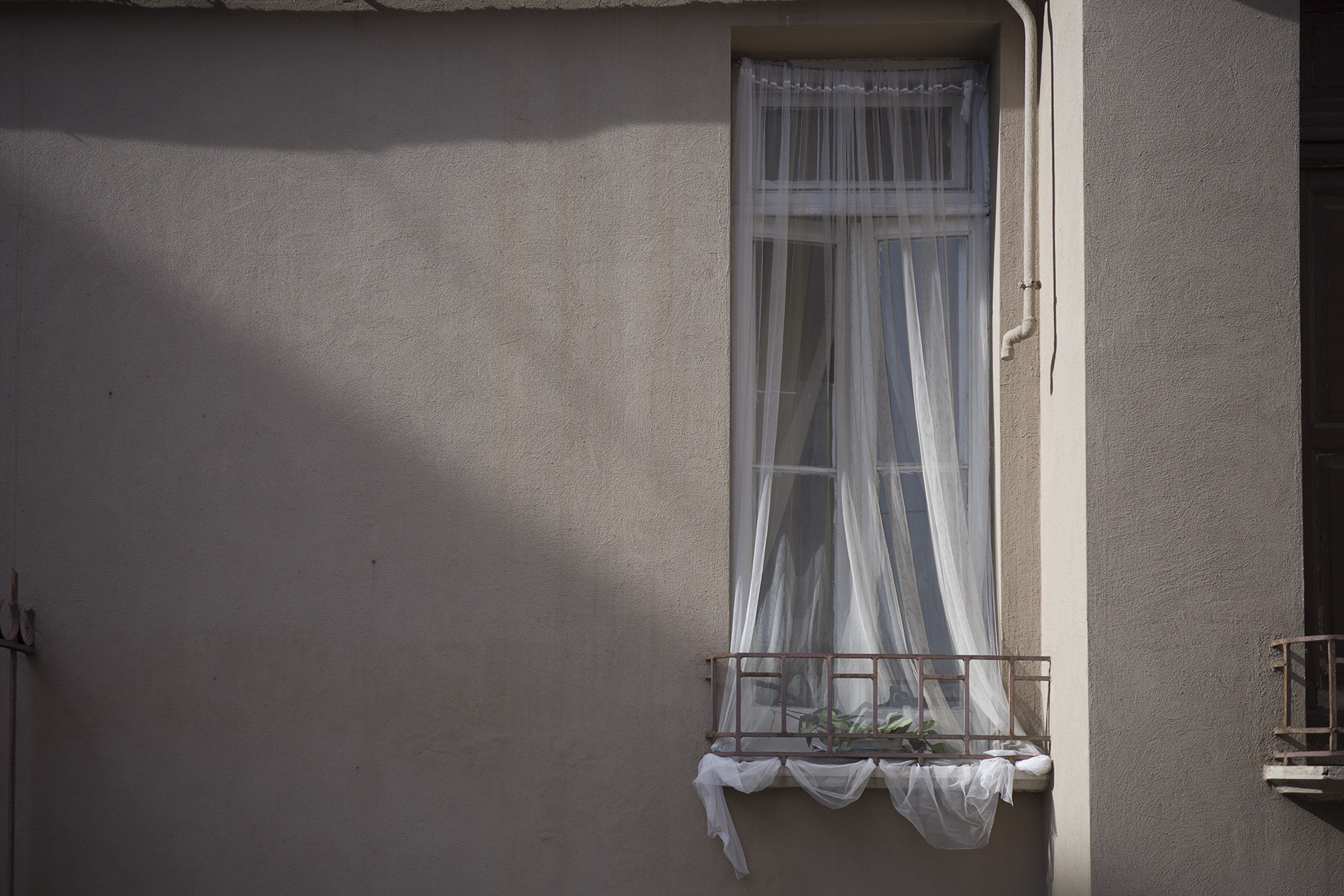
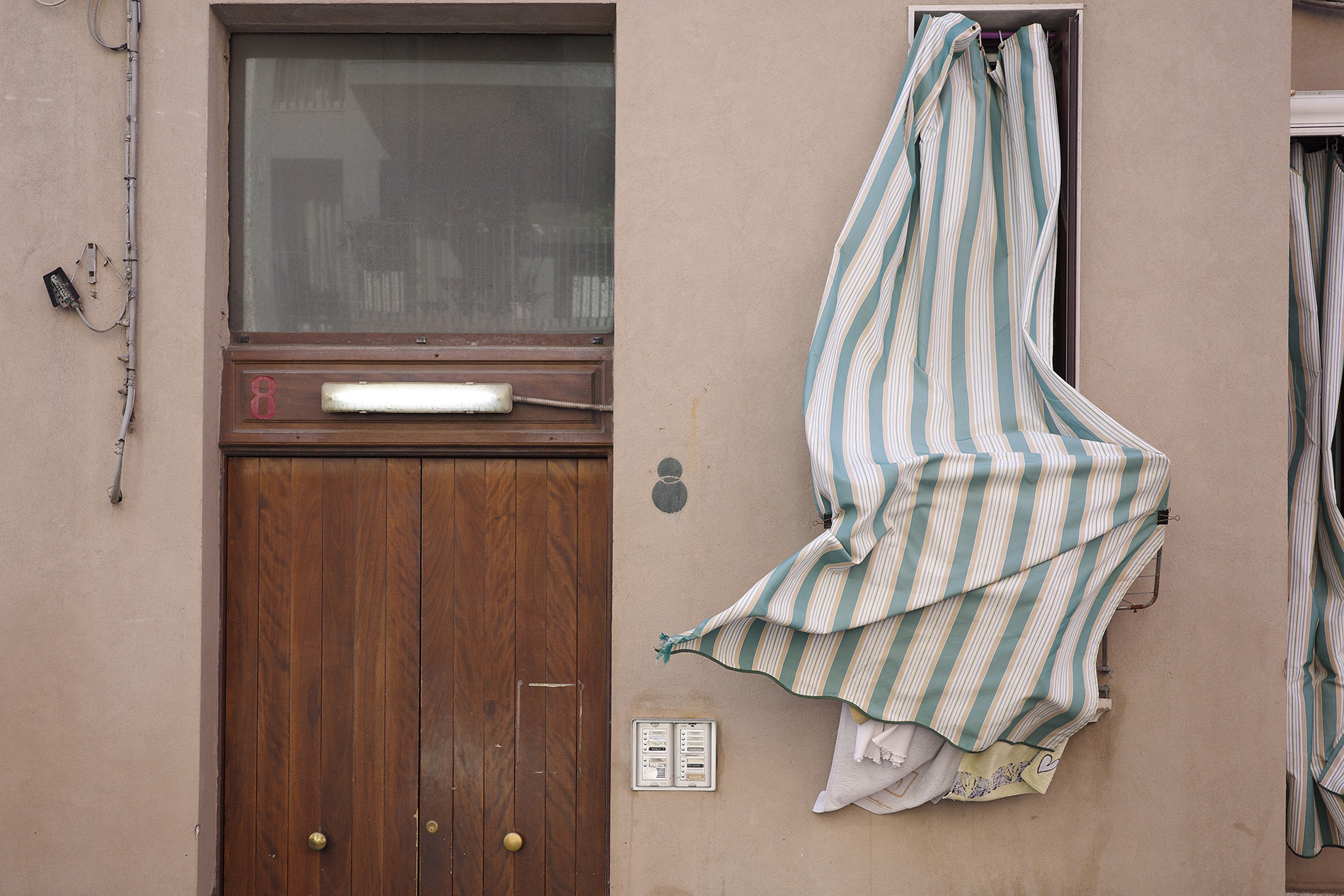
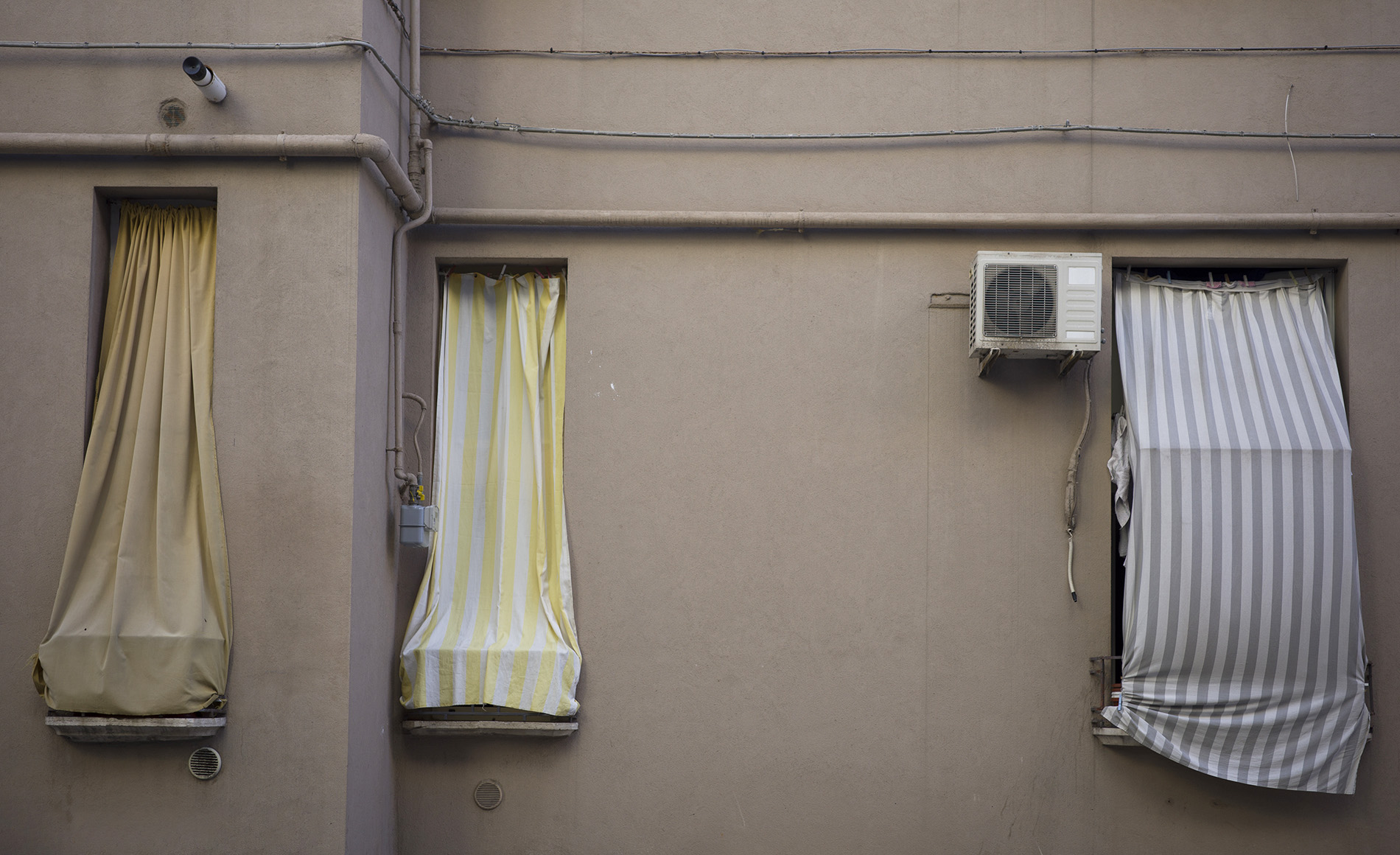
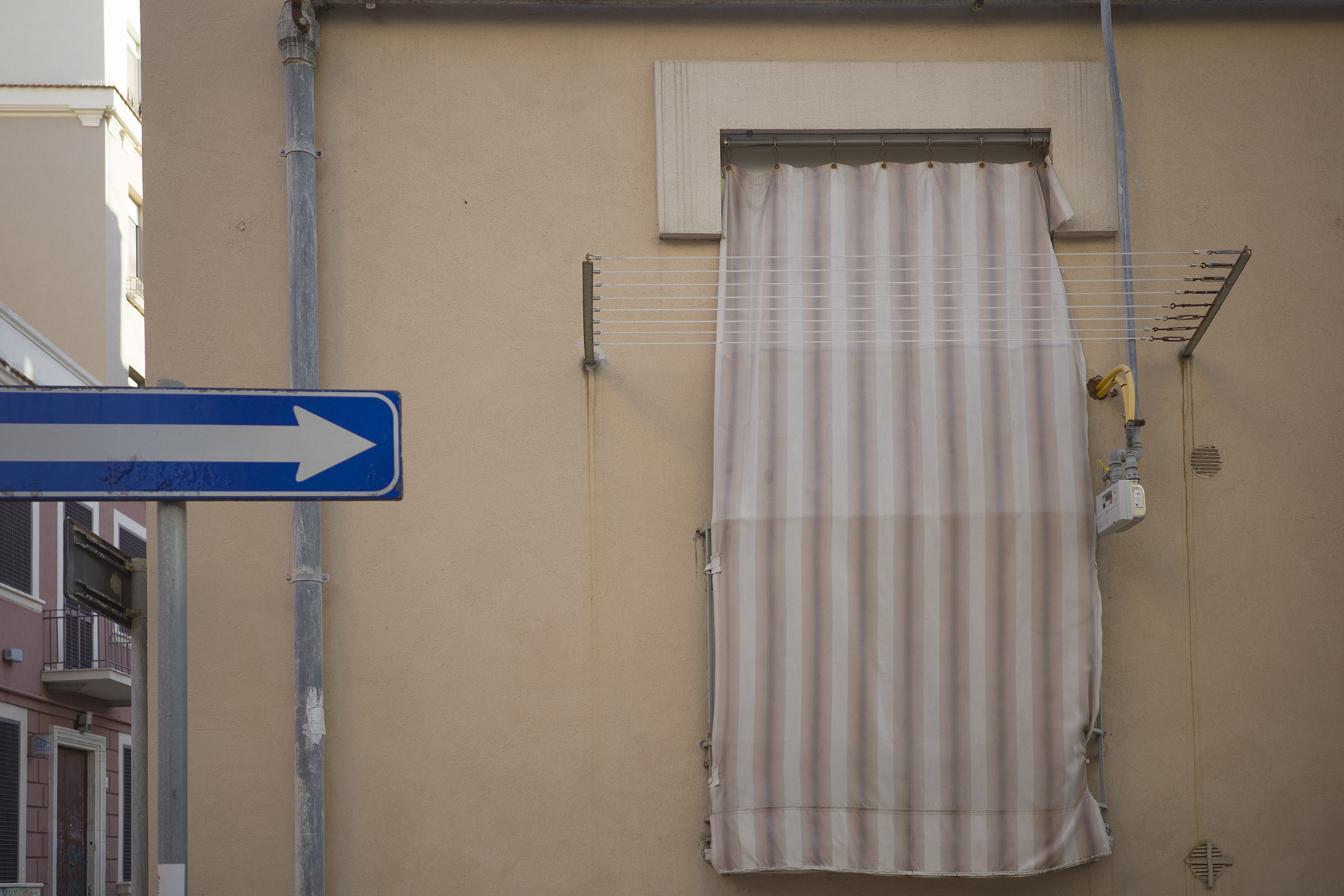
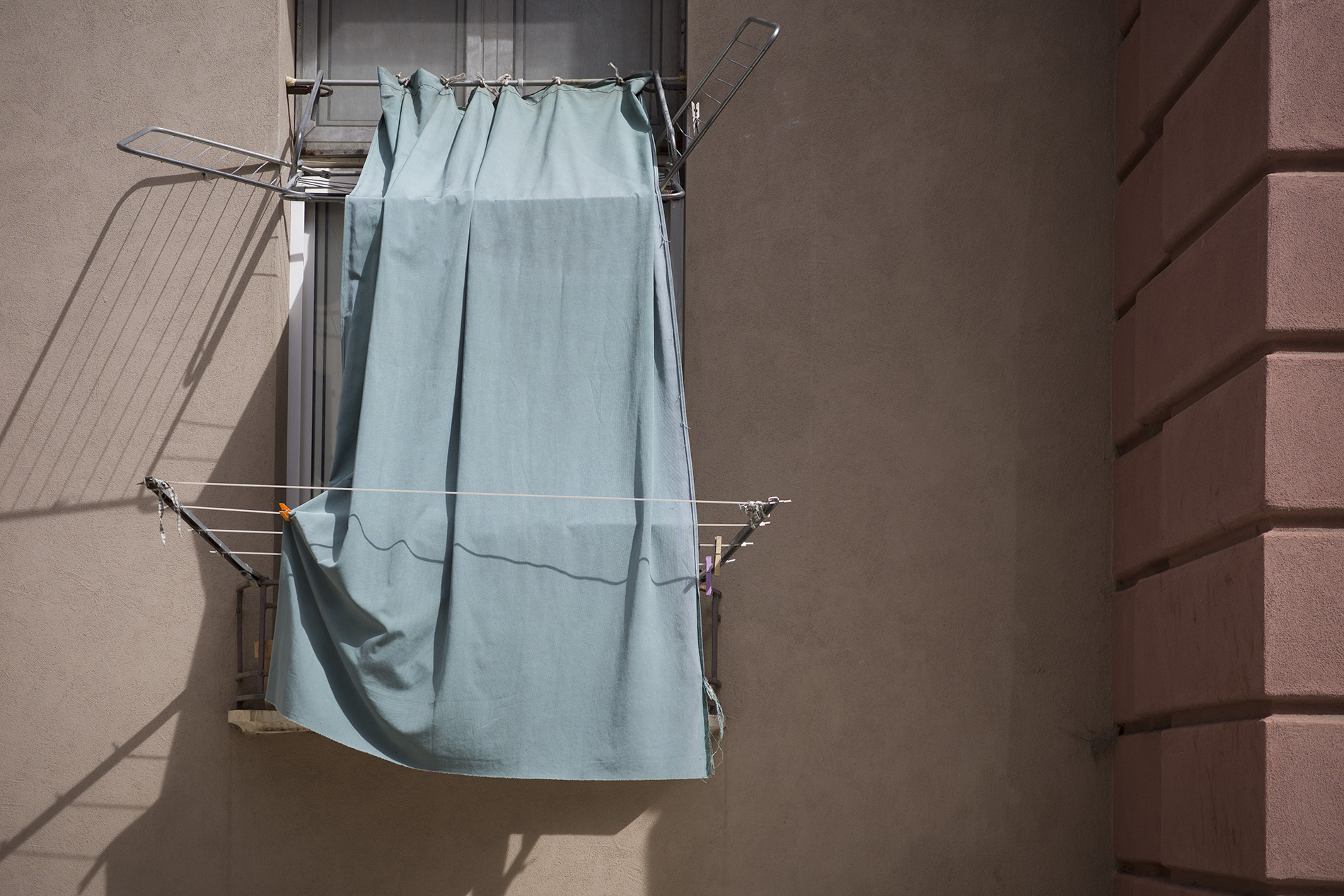
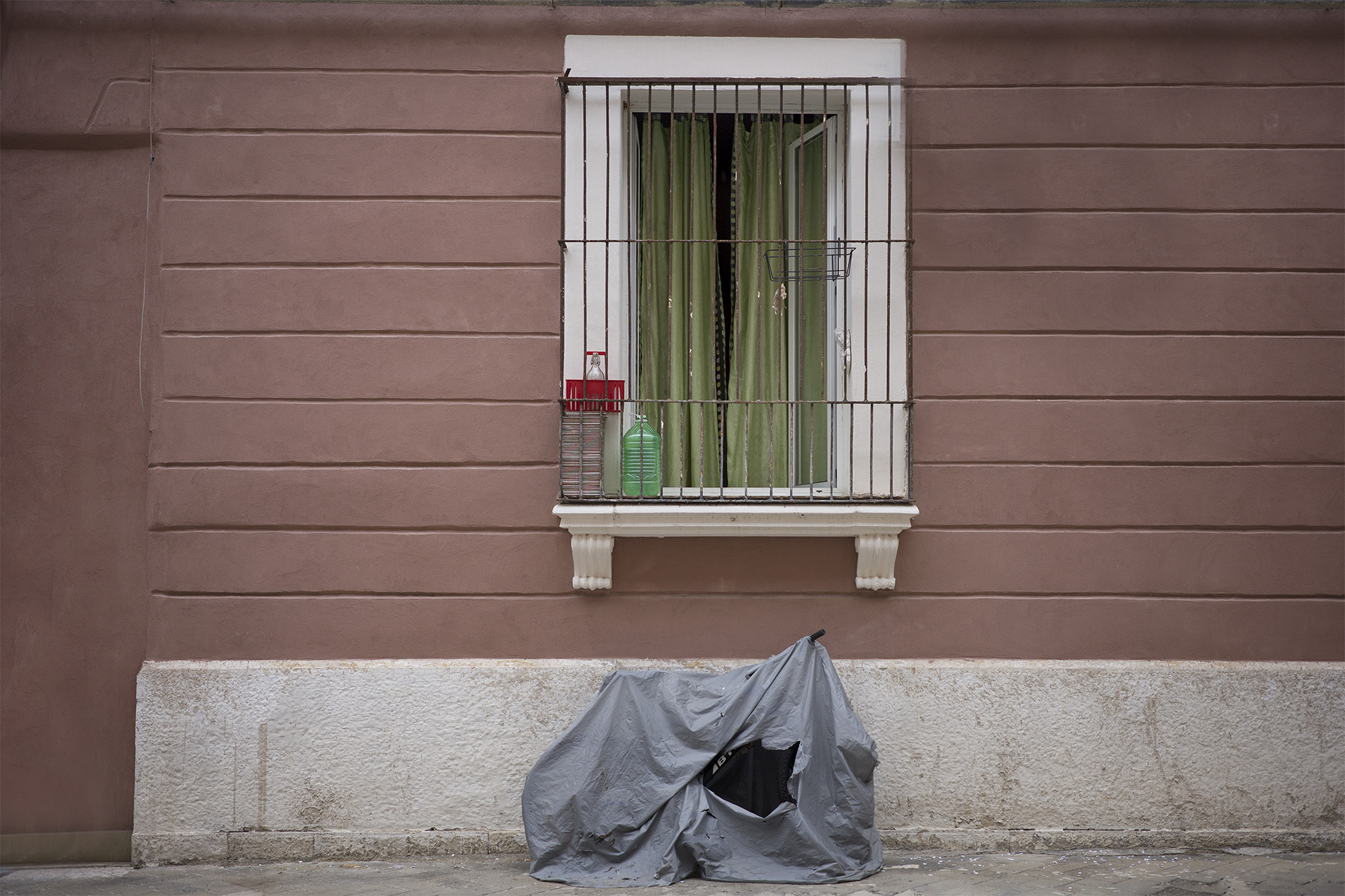
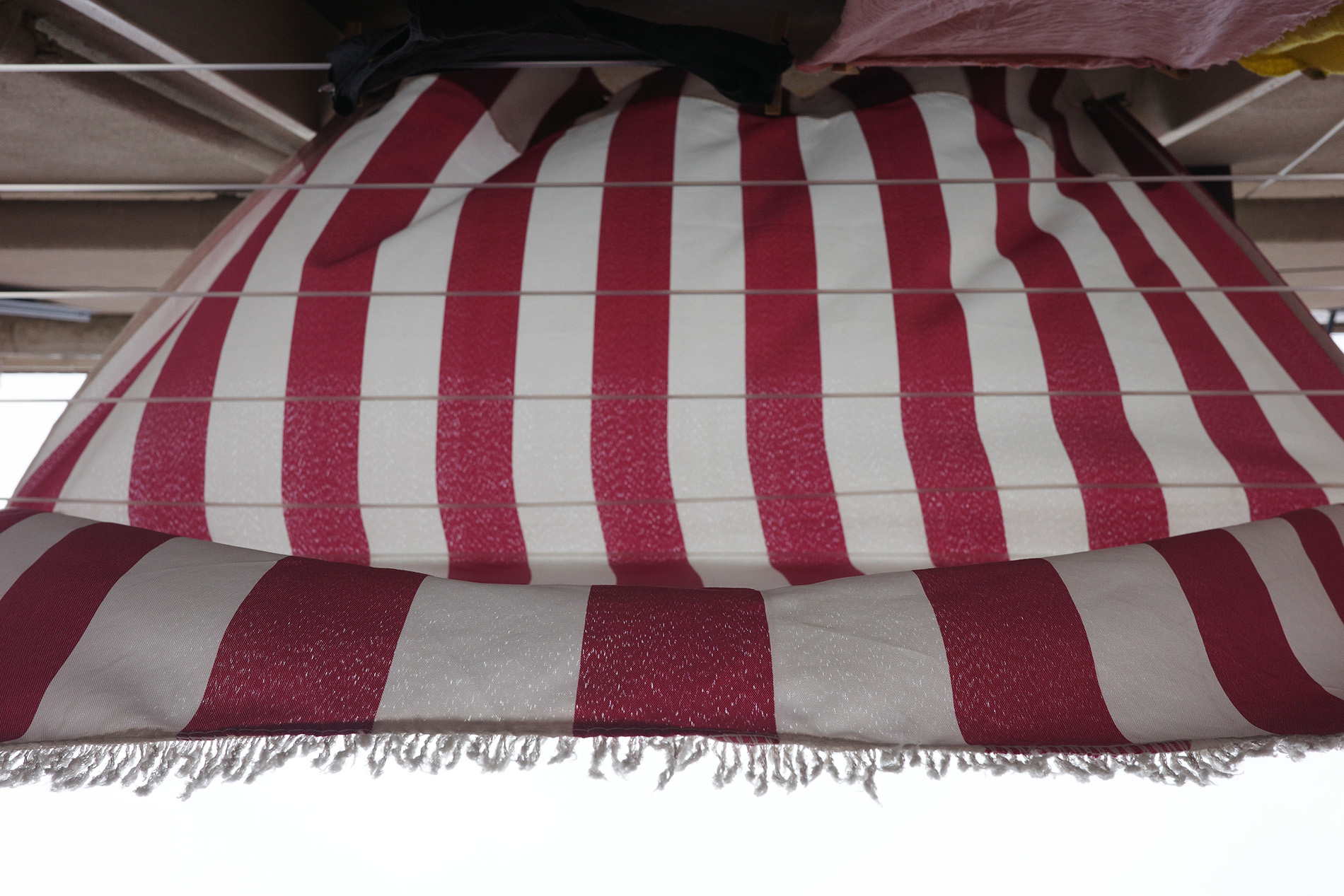
Il quartiere di Bari “Complesso Duca degli Abruzzi “, è nato nel 1909, come cerniera urbana tra il centro e la periferia, è ancora oggi la porta di ingresso verso il centro, popolare e signorile allo stesso tempo, si tratta di immobili eleganti, concepiti in stile liberty e caseggiati in linea, di tipo diverso rispetto ad analoghi edifici dell’epoca, nei quali prevalgono tipologie a blocchi chiusi o semichiusi, abitati da famiglie baresi. Le case popolari appaiono come un quartiere nel quartiere: una specie di matriosca. Un gruppo di case riconoscibili oltre che per la loro colorazione e forma, anche per un particolare ricorrente: la tenda sul balcone che diviene una sorta di “protezione” da cui il titolo al progetto. E’ un dialogo con il quotidiano, un prolungamento degli spazi interni alla propria abitazione, un’antropizzazione di finestre-balconi quasi inesistenti che appaiono come un involucro protettivo della famiglia, fino quasi a definire l’identità di questi gruppi abitativi. Il luogo vissuto, abitato si spoglia della propria funzione pratica e assume un ulteriore, unico significato, una parte attiva nella comunicazione visiva di insieme. Il quartiere dunque, con alcuni elementi come queste tende in plastica o in tessuto diviene simbolo di una narrazione che si protende nello spazio divenendo l’essenza di una comunità “protetta” nella dimensione del privato, dall’esterno, dalle intemperie del tempo meteorologico e da quello concettuale e brutale. Bisogni obbligati e necessità, spazi di vita vissuta che prendono il posto del senso estetico in un viaggio dal sobrio al kitsch, dal minimalismo architettonico al bisogno di appartenenza, alla voglia di rendere personali i propri spazi. Le tende e la loro “protezione” restano impresse negli occhi di chi guarda fino a diventare un tutt’uno con l’architettura, lasciando immaginare la vita al di là, senza però riuscire a penetrare nel privato, accarezzando la bellezza spontanea dell’uomo nel gesto di coprire per proteggere, creando un ideale di vita estraneo ai tempi veloci e voraci del mostrare e mostrarsi. Eppure la presenza costante delle “tende” in questo quartiere, lascia traccia in chi lo attraversa e si lascia attraversare come se ciascuno sentisse un sussulto, un istinto infantile a nascondersi, a lasciarsi proteggere.
The district of Bari "Complesso Duca degli Abruzzi", was born in 1909, as an urban hinge between the center and the suburbs, it is still today the gateway to the popular centre and elegant at the same time, these are elegant properties, conceived in liberty style and blocks in line, of different types compared to similar buildings of the time, in which they prevail types of closed or semi-closed blocks, inhabited by families baresi. Public housing looks like a neighborhood in the neighborhood: a kind of matryoska. A group of houses recognizable as well as for their color and shape, also for a recurring detail: the curtain on the balcony which becomes a sort of "protection" from which the title al project. It is a dialogue with the newspaper, a extension of the spaces inside your home, an anthropisation of almost non-existent balcony-windows which appear as a protective shell of the family, up as if to define the identity of these housing groups. The place lived, inhabited strips of it practical function e takes on a further, unique meaning, an active part in overall visual communication. Therefore, the neighborhood with some elements like these curtains in plastic or in fabric becomes a symbol of a narrative that stretches out in space, becoming the essence of a community "protected" in the private dimension, from the outside, from bad weather and from that conceptual and brutal. Compulsory needs and necessities, spaces for real life that take the place of the aesthetic sense in a journey from sober to kitsch, from architectural minimalism to the need to belong, to the desire to make it personal their own spaces. The tents and their "protection" remain imprinted in the eye of the beholder until it becomes a one with the architecture, letting the from there, without however being able to penetrate the private sphere, caressing the spontaneous beauty of man in the gesture of cover to protect, creating an alien ideal of life to the fast and voracious times of showing and showing oneself. Yet the constant presence of the "tents" in this neighborhood, let traces in those who cross it and let themselves be crossed as ifeveryone felt a jolt, a childish instinct a to hide, to be protected.