Projects
Far Away so Close
Così vicino eppure così lontano
Year
2018-ON GOING
"Le città sono un insieme di tante cose: di memoria, di desideri, di segni d'un linguaggio; le città sono luoghi di scambio, come spiegano tutti i libri di storia dell'economia, ma questi scambi non sono soltanto scambi di merci, sono scambi di parole, di desideri, di ricordi." Italo Calvino
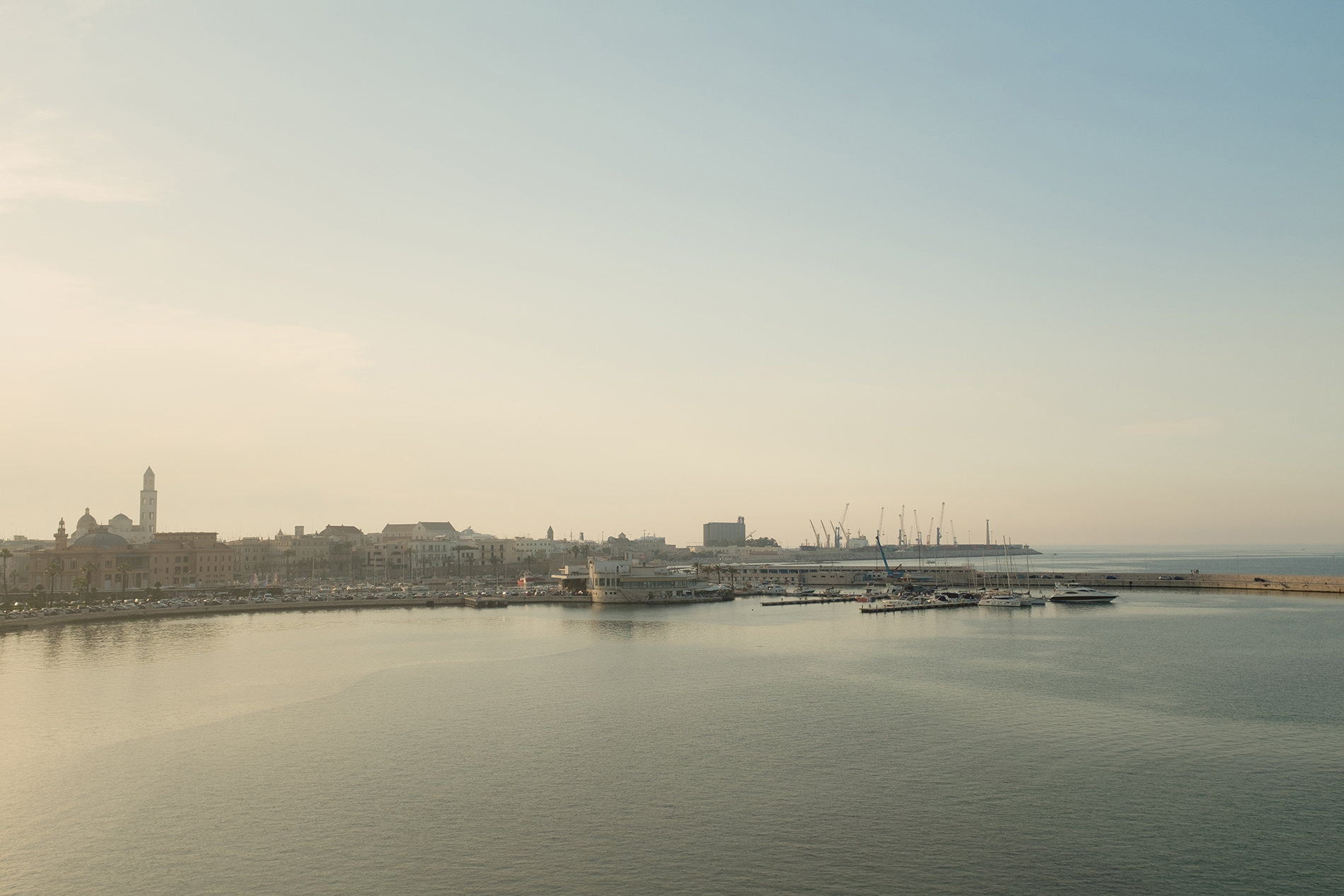
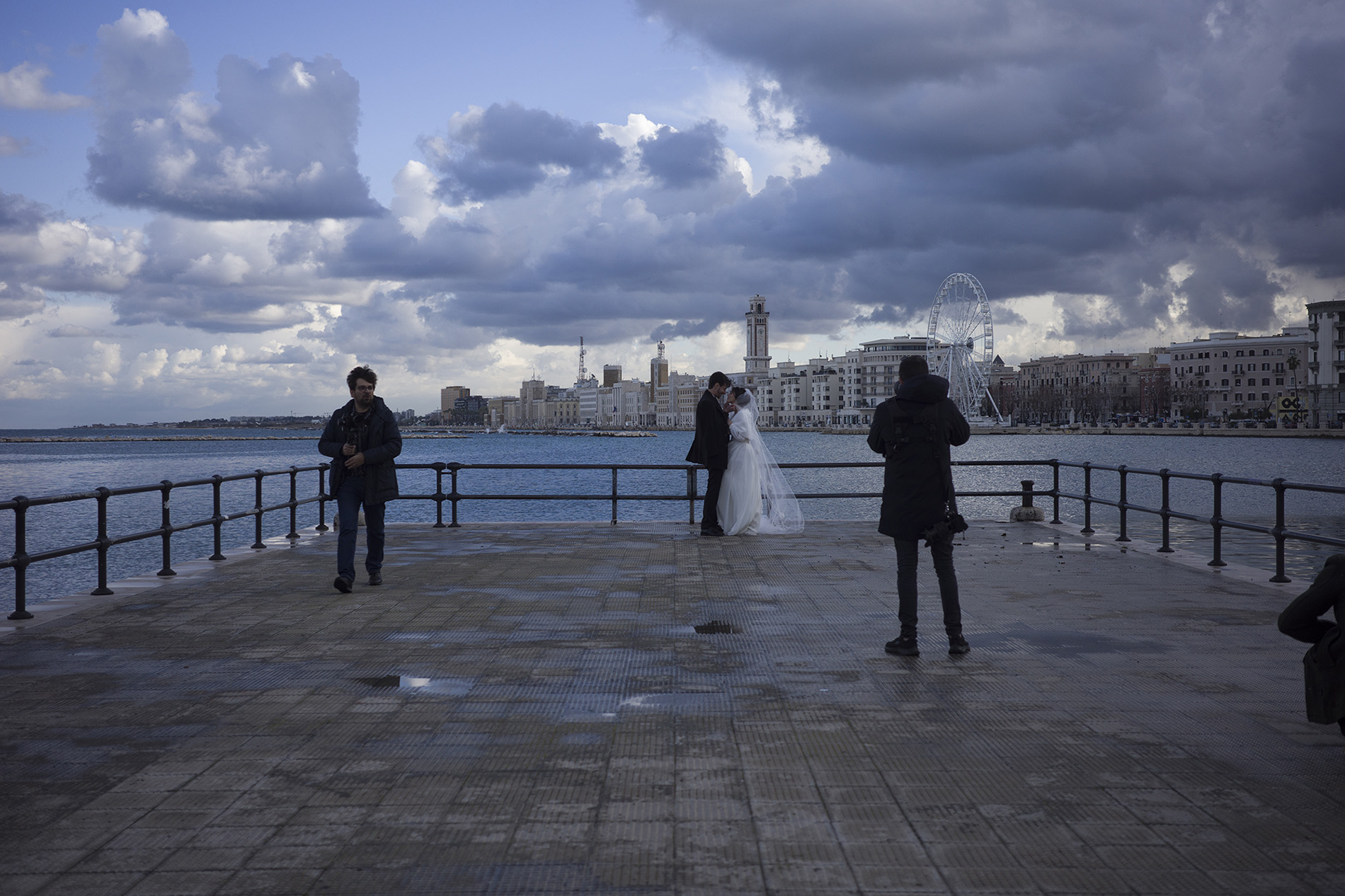
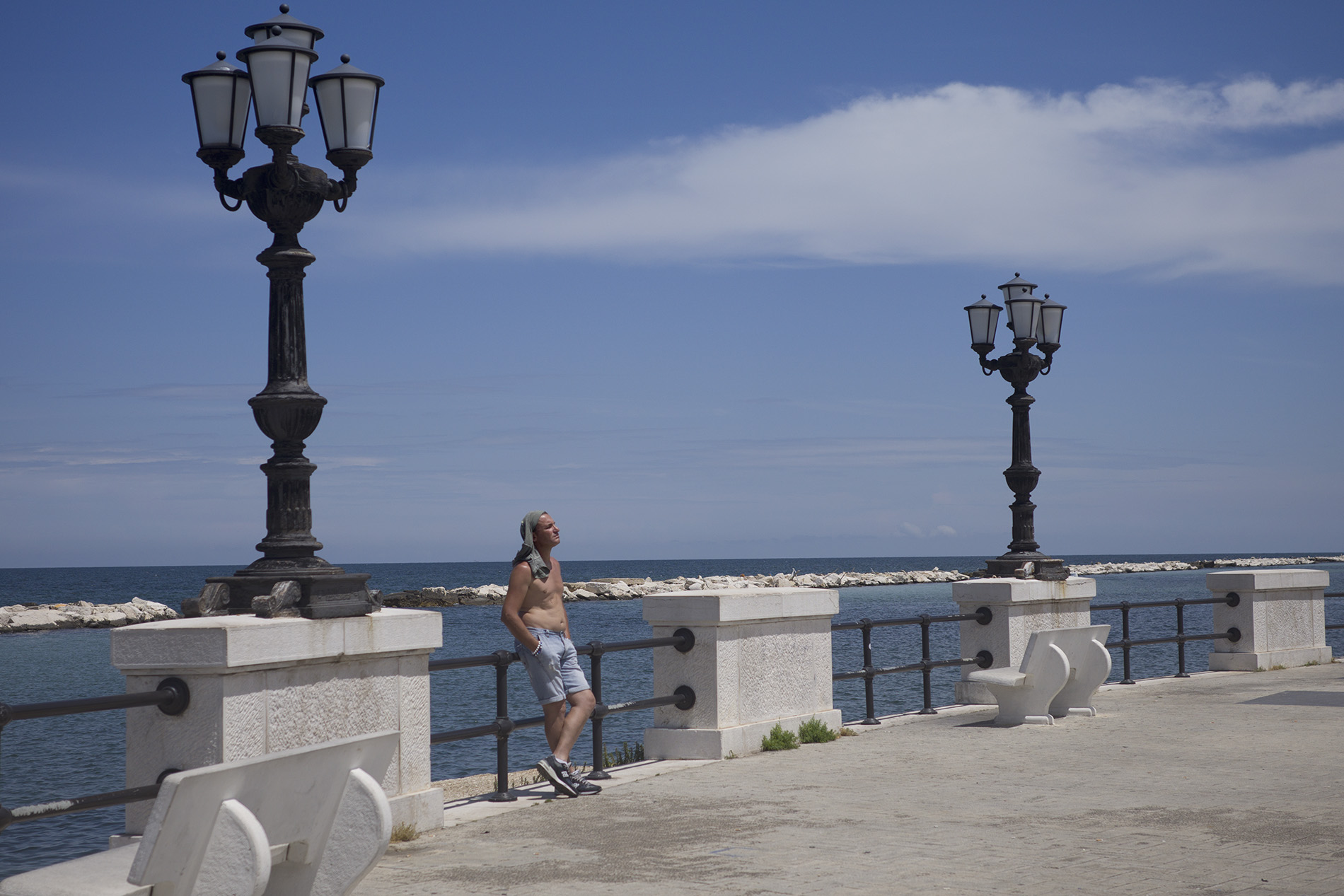
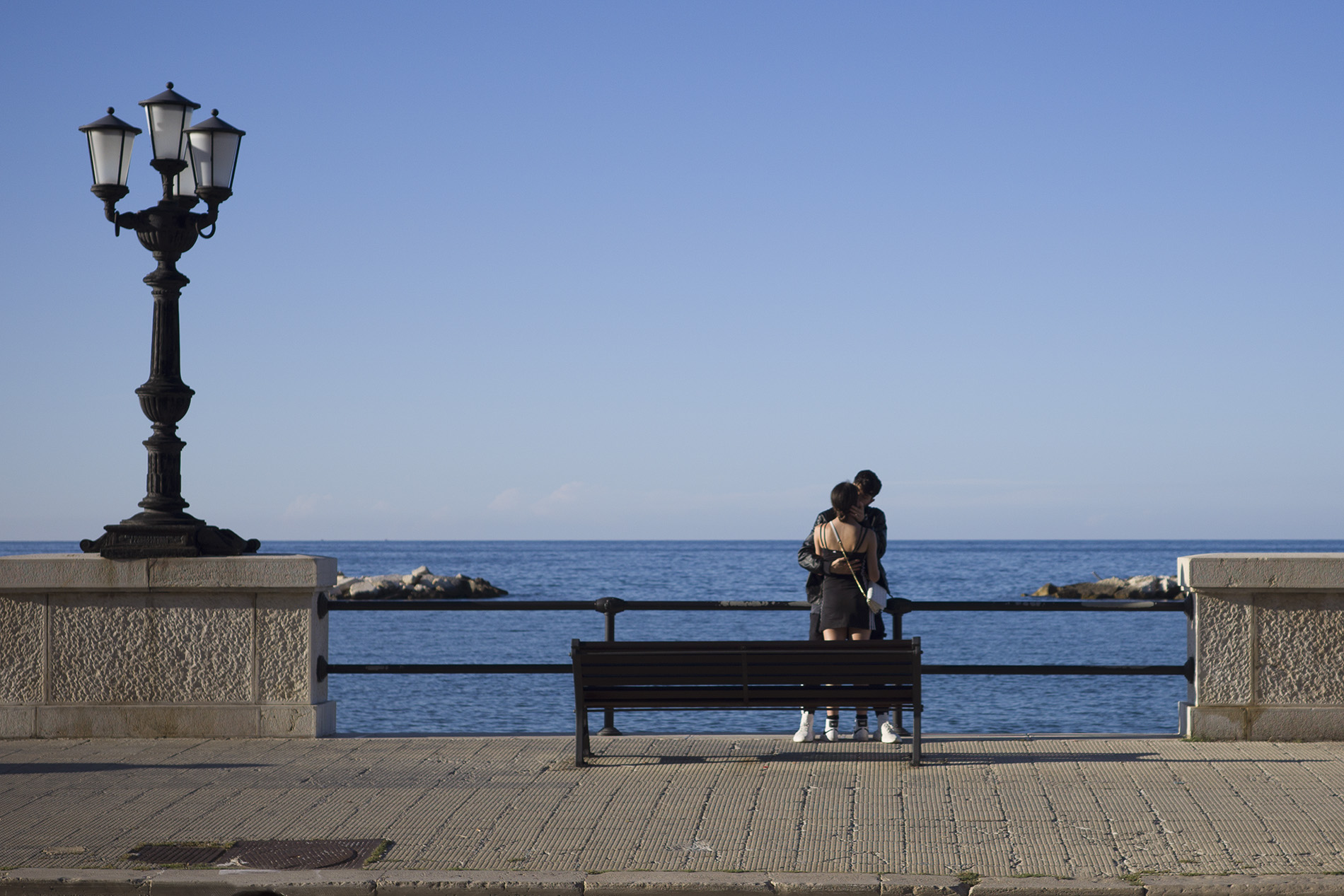
La città di Bari, nel corso di tutto il Novecento, ha rimosso il mare. Questo è accaduto durante il fascismo, quando la città vecchia è stata chiusa dentro le mura, e il Lungomare Nazario Sauro ha assunto la monumentalità date dal “granito bianco delle caserme che guardano aggressivamente al mare” puntellandosi di panchine e antichi lampioni in ferro neri. Il boom edilizio e lo scempio del centro murattiano degli anni ’60 e ’70, ha evitato il rapporto tra la città e il mare. Dal punto di vista urbanistico, Bari resta tuttora sostanzialmente separata dal mare; separato resta il suo porto, malgrado gli sforzi in senso contrario di questi ultimi anni. Bari ha costruito attraverso il mare, la sua forza perché è riuscita a collegare il suo entroterra produttivo con l’Italia e con l’Europa e su questa intermediazione ha costruito la sua fortuna.
Il rapporto che lega il mare al suo popolo è parte del DNA, sin dai tempi della traslazione delle ossa di San Nicola da Myra nel 1087, c’è un’identità culturale definibile come “marina” che è il tratto distintivo di questa gente che ama, teme e rispetta il mare.
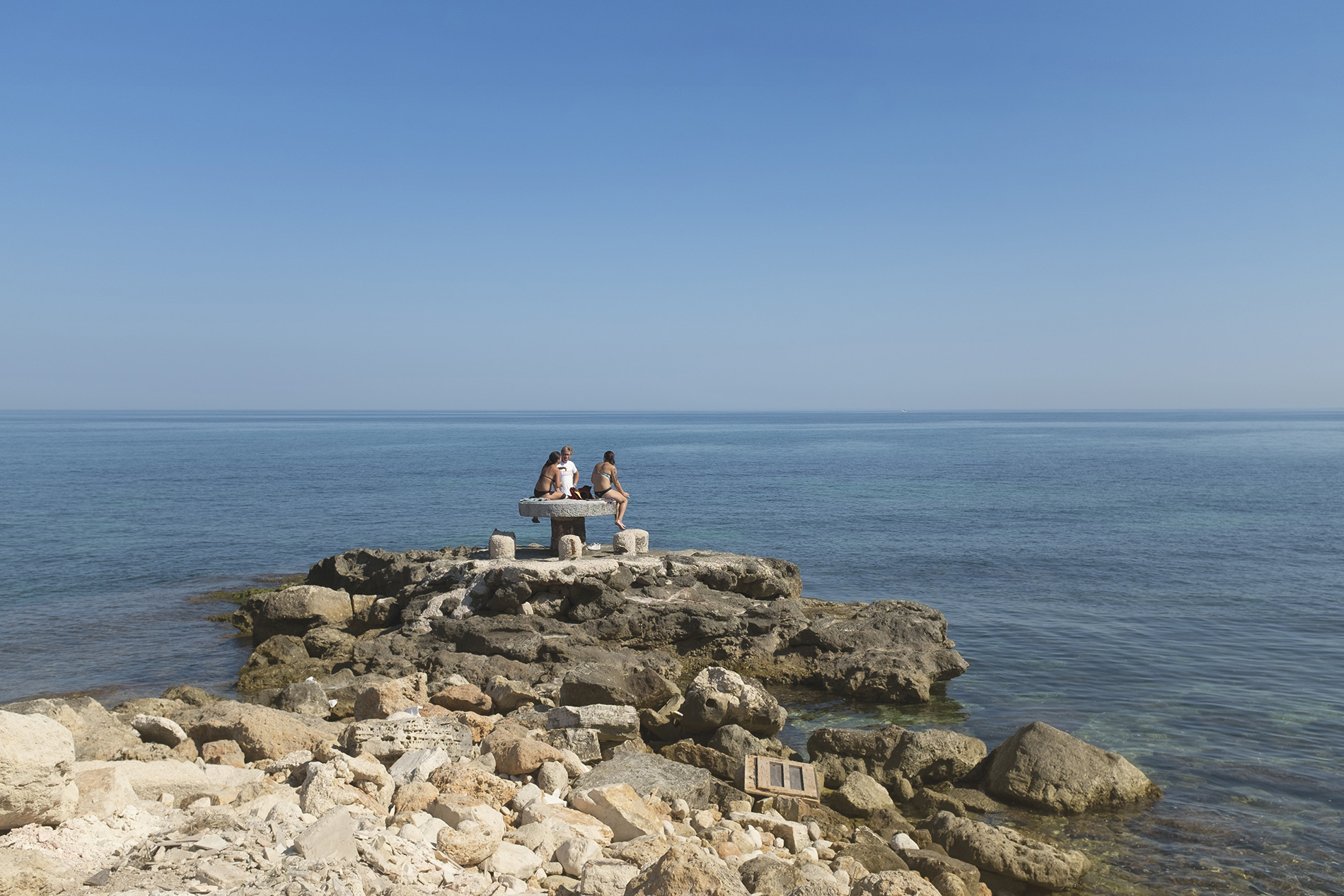
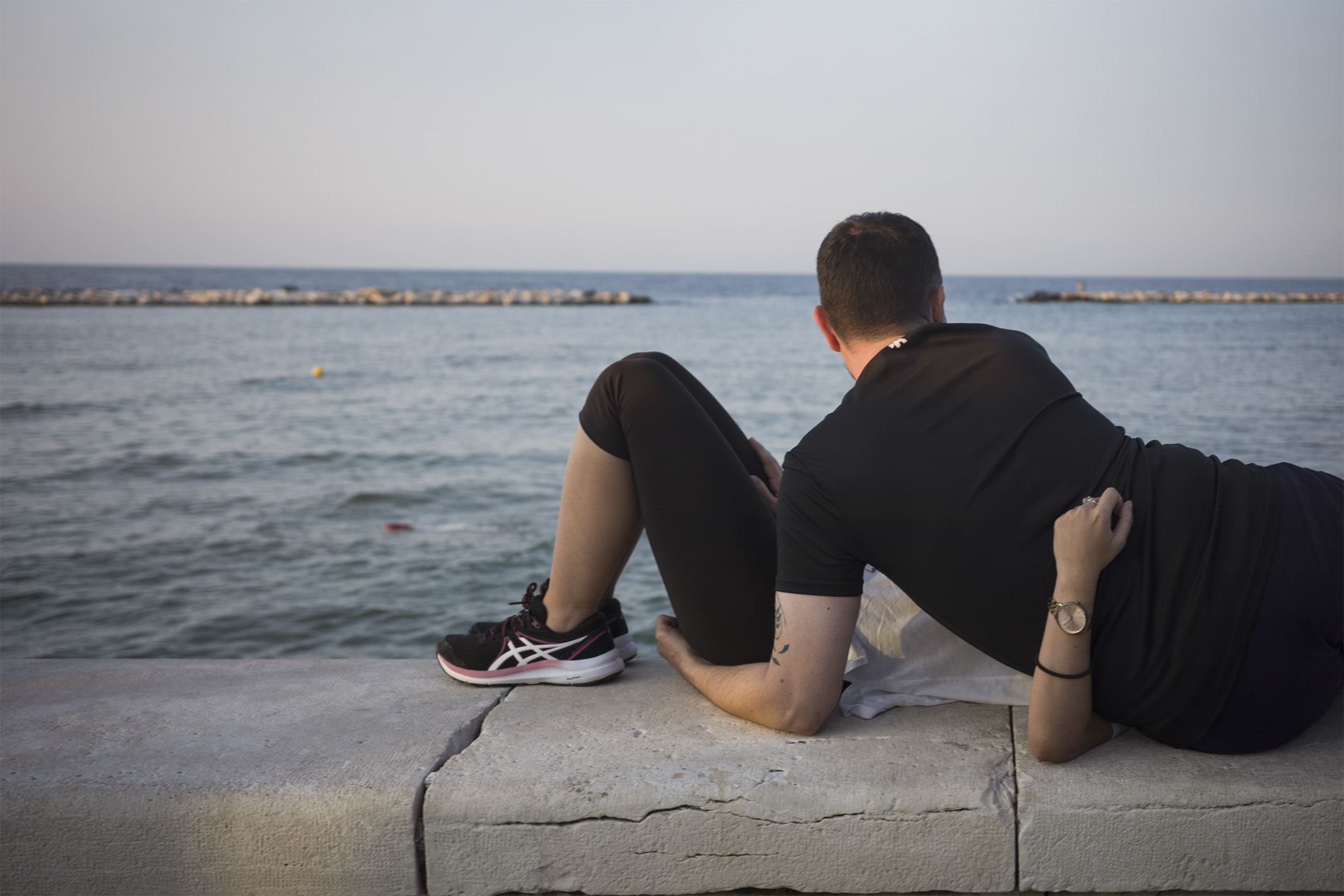
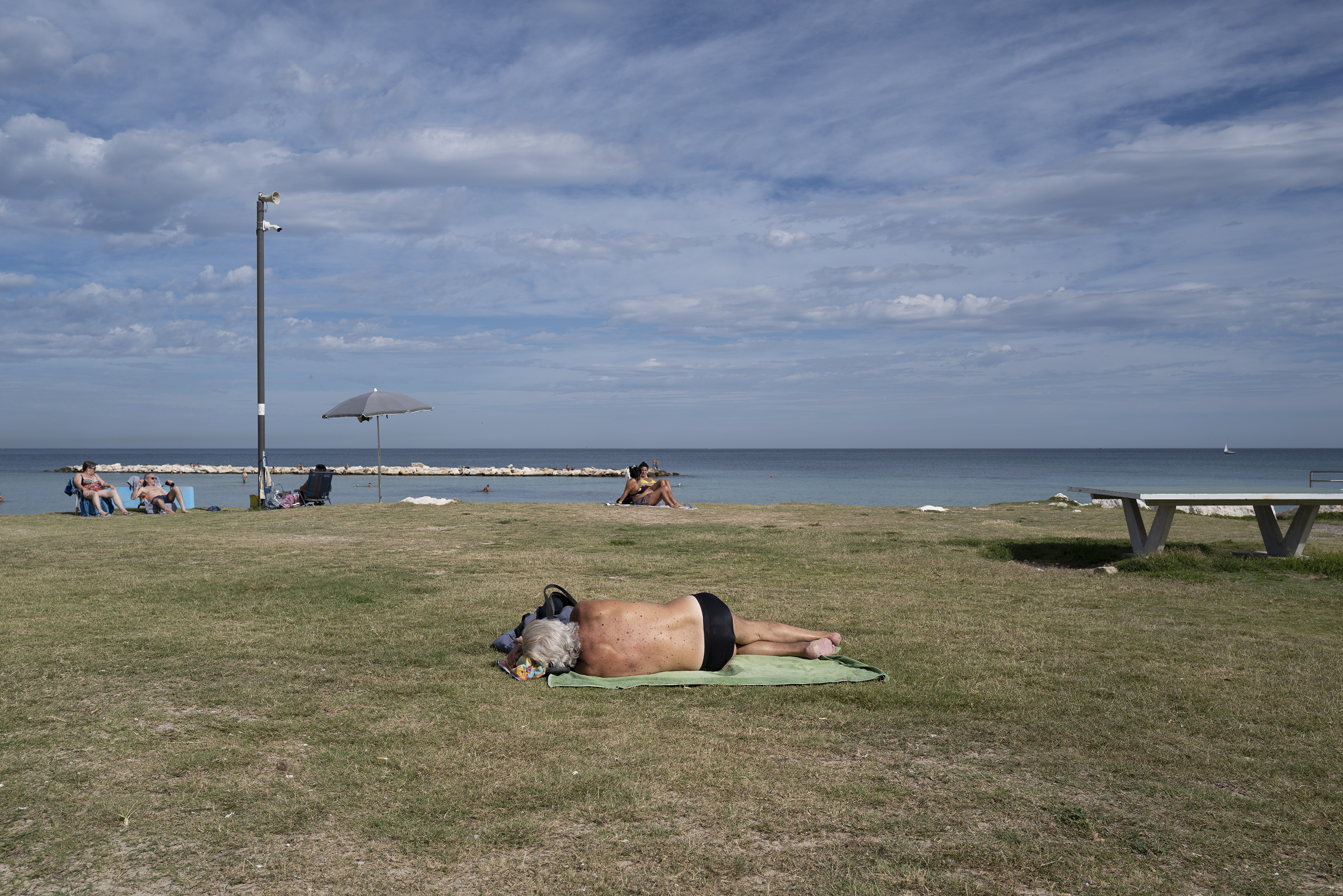
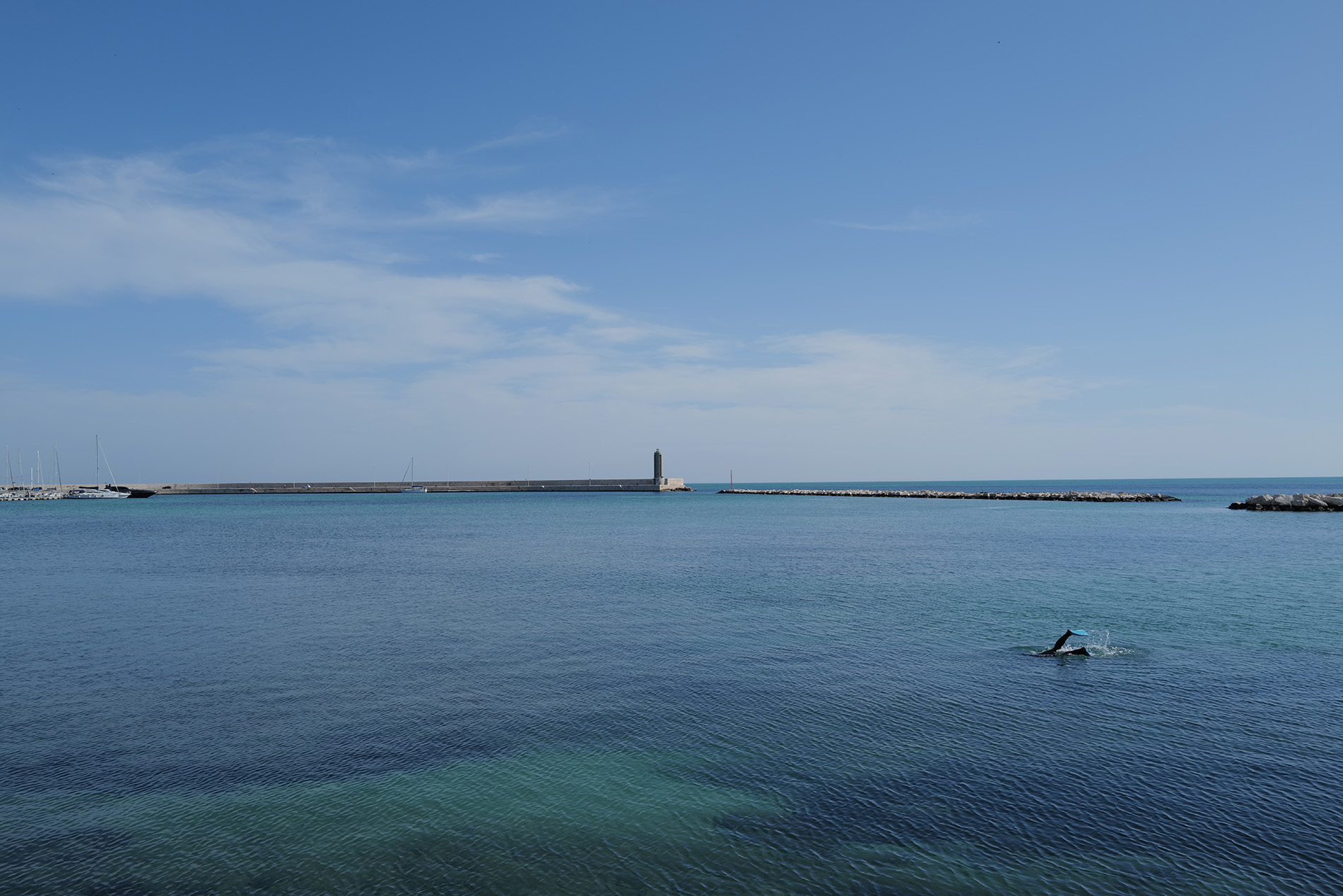
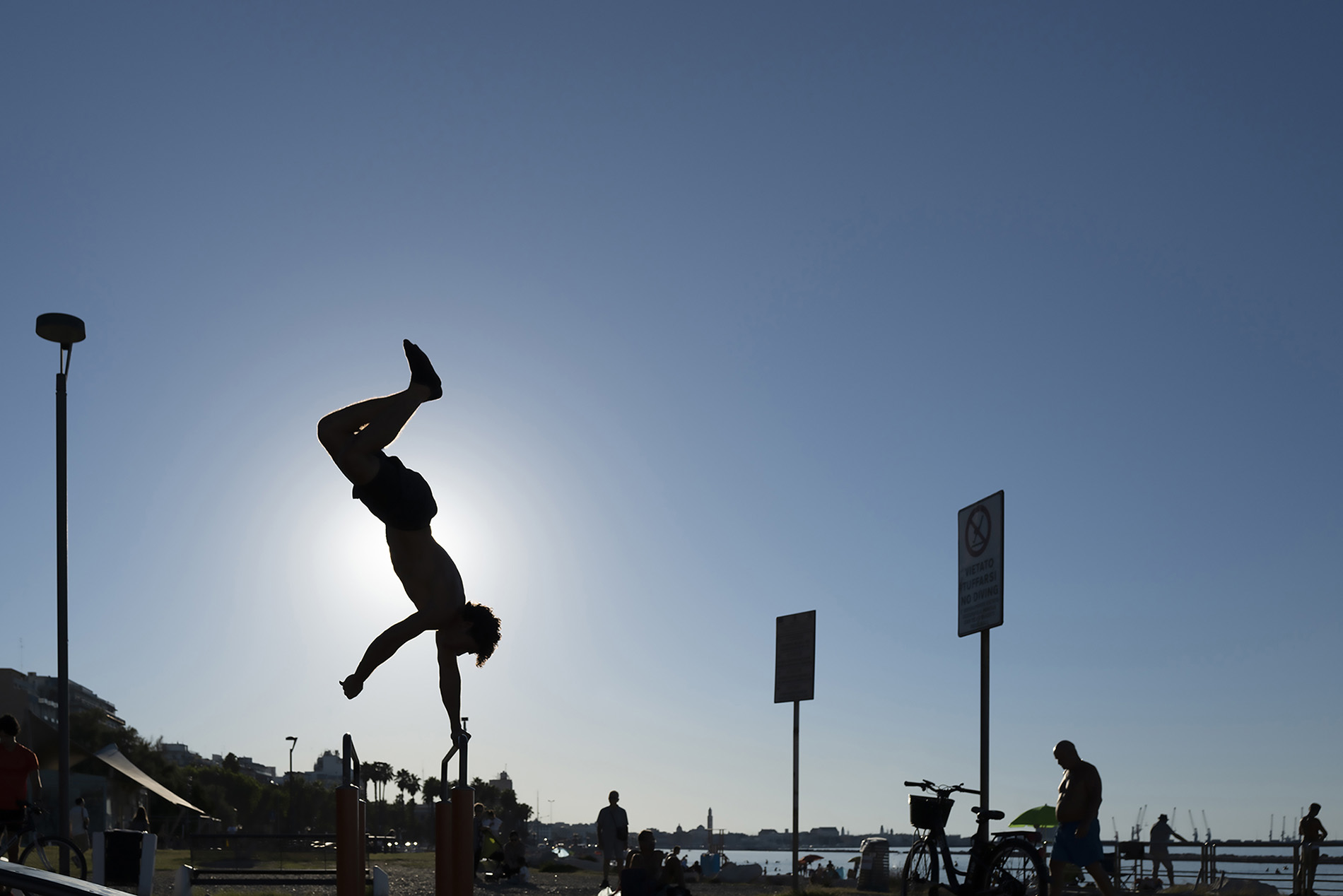
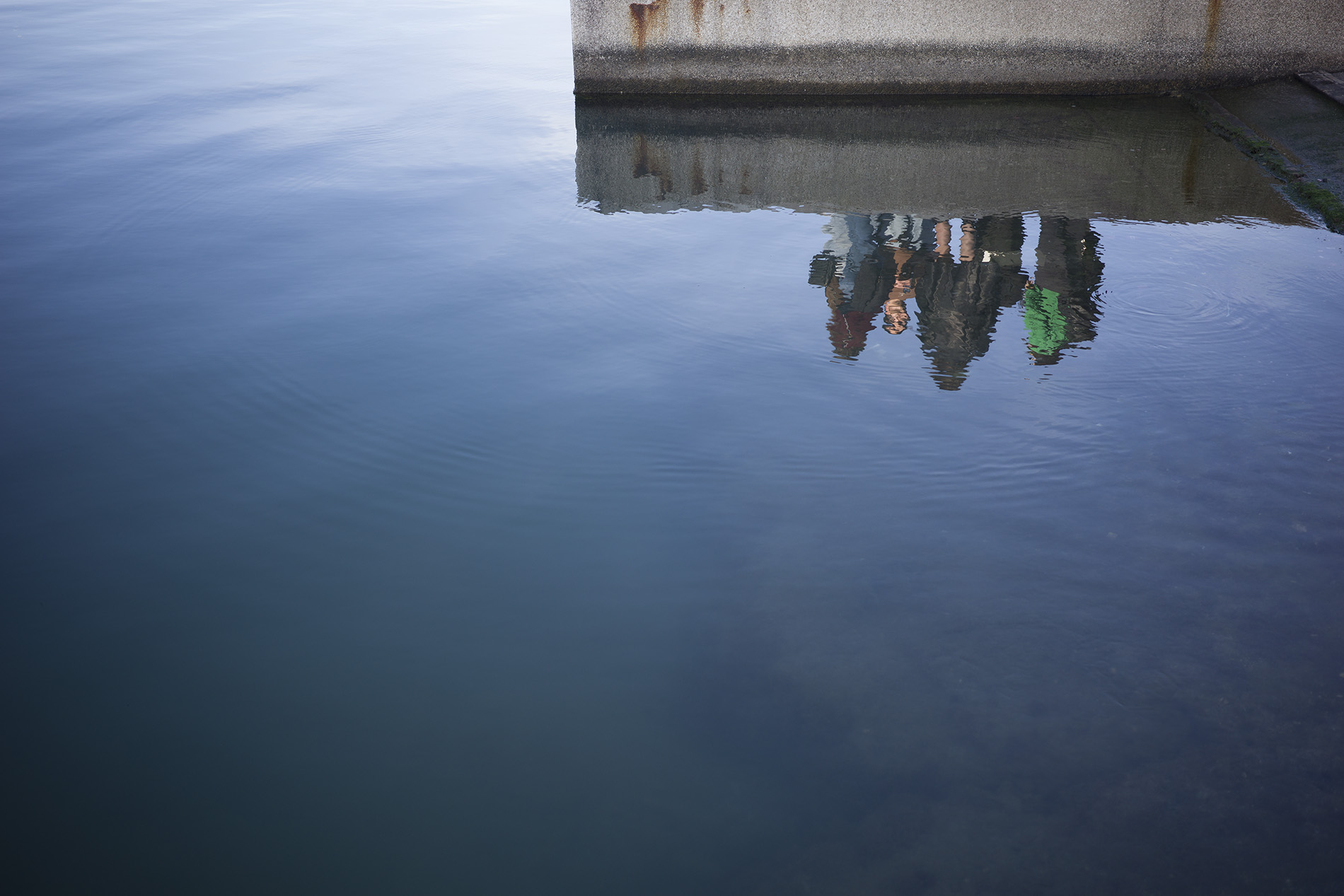
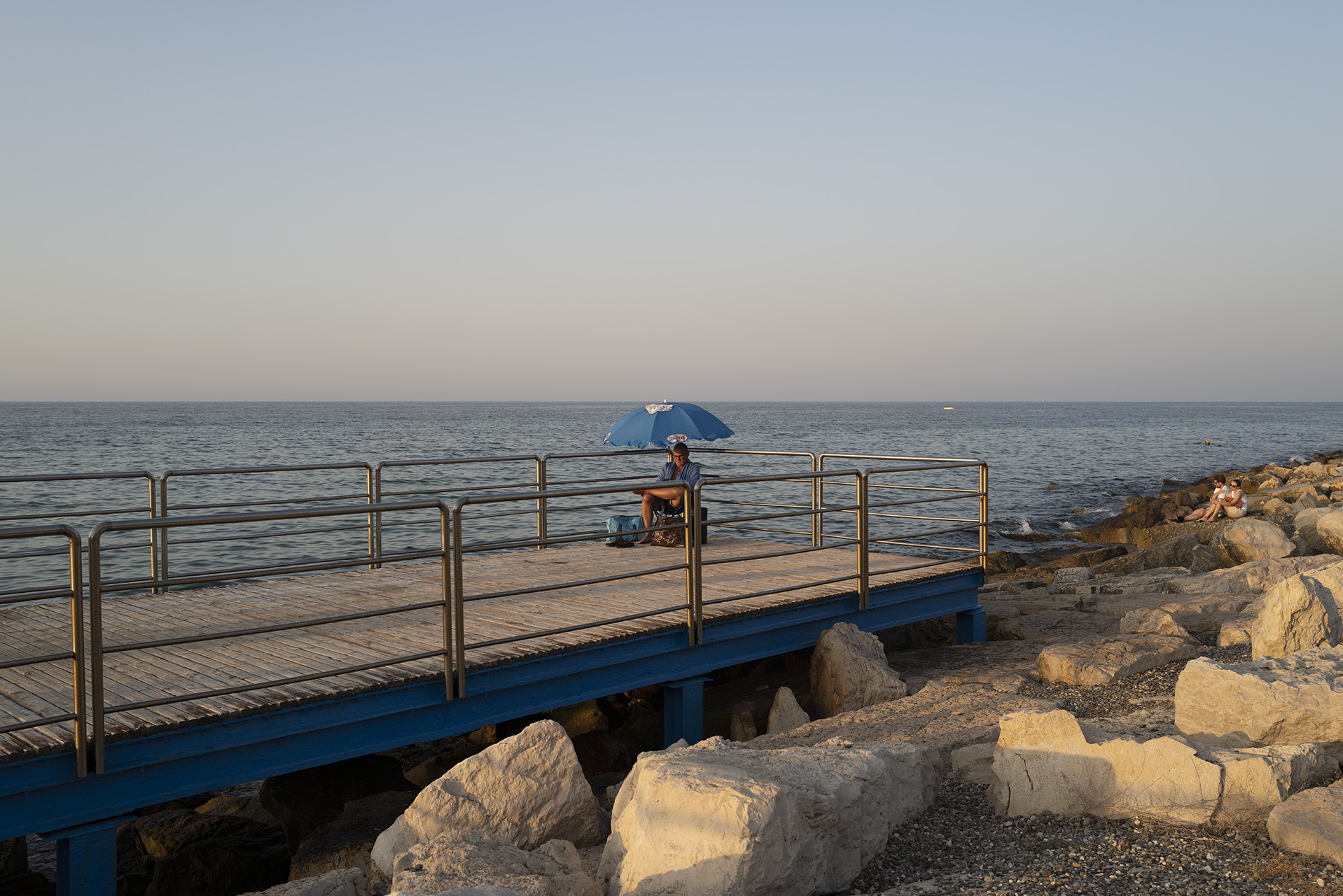
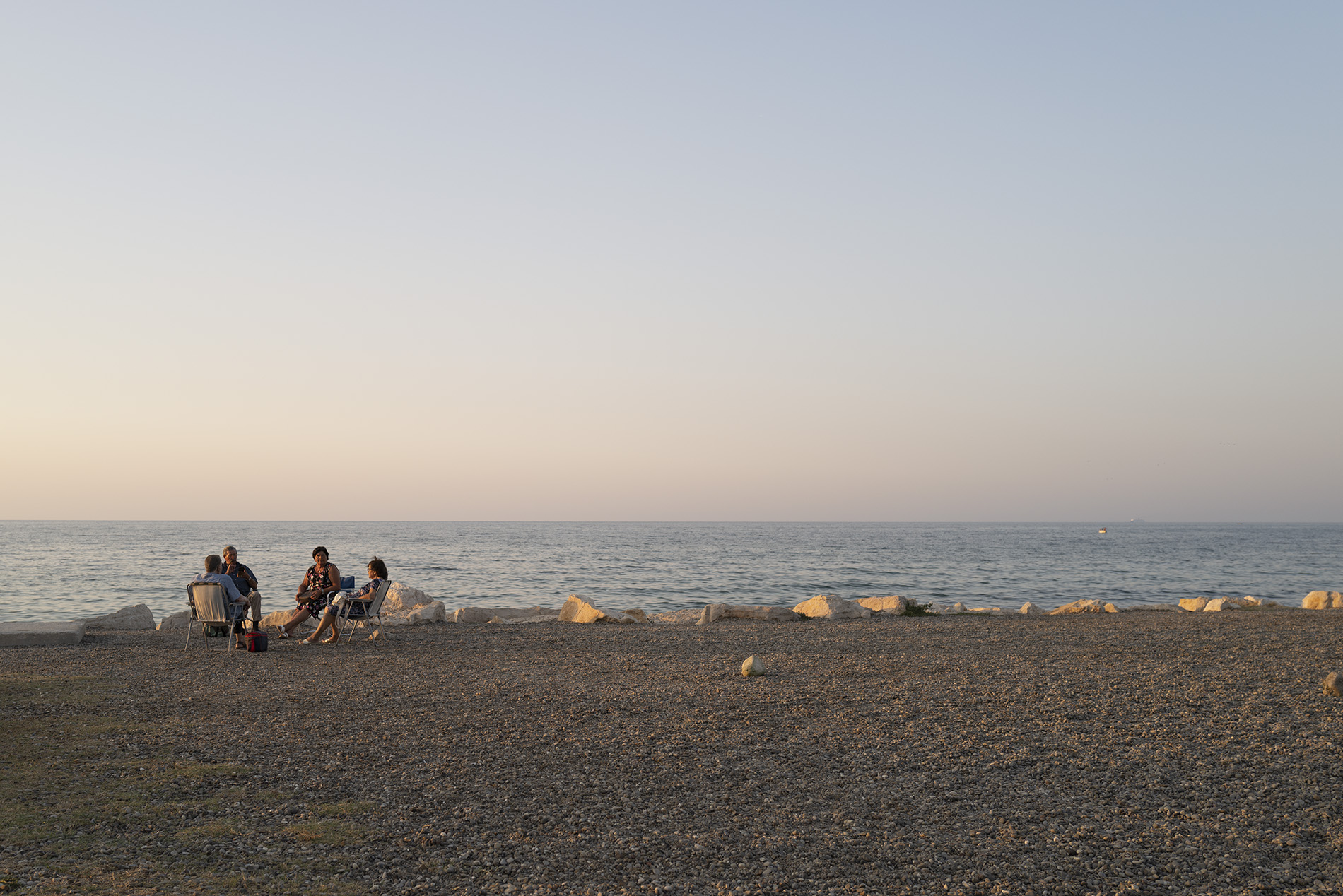
I baresi premono ostinatamente verso il mare, come desiderio continuo e impellente di “riprendersi il mare” così vicino eppure così lontano, respirandolo e vivendolo in ogni stagione, almeno nel tempo libero. Tanti sono i cittadini dei quartieri popolari che trasformano in “casalinghi angoli di verande” con affaccio al mare, parte del fronte del Lungomare, a Nord, dall’ingresso monumentale della Fiera del Levante sino al Fortino e, a Sud, dalla Rotonda fin verso Pane e pomodoro, con sedie e tavolini. I lungomari costituiscono i luoghi, vissuti e ancora da viversi, di questa identità radicata “nel mare” che non è solo un elemento “estetico” collocato nella genetica ma è “frontiera liquida” rivolta da un lato verso la terraferma come radice e memoria, dall’altro verso gli spazi aperti dell’immaginazione e dell’incontro possibile.
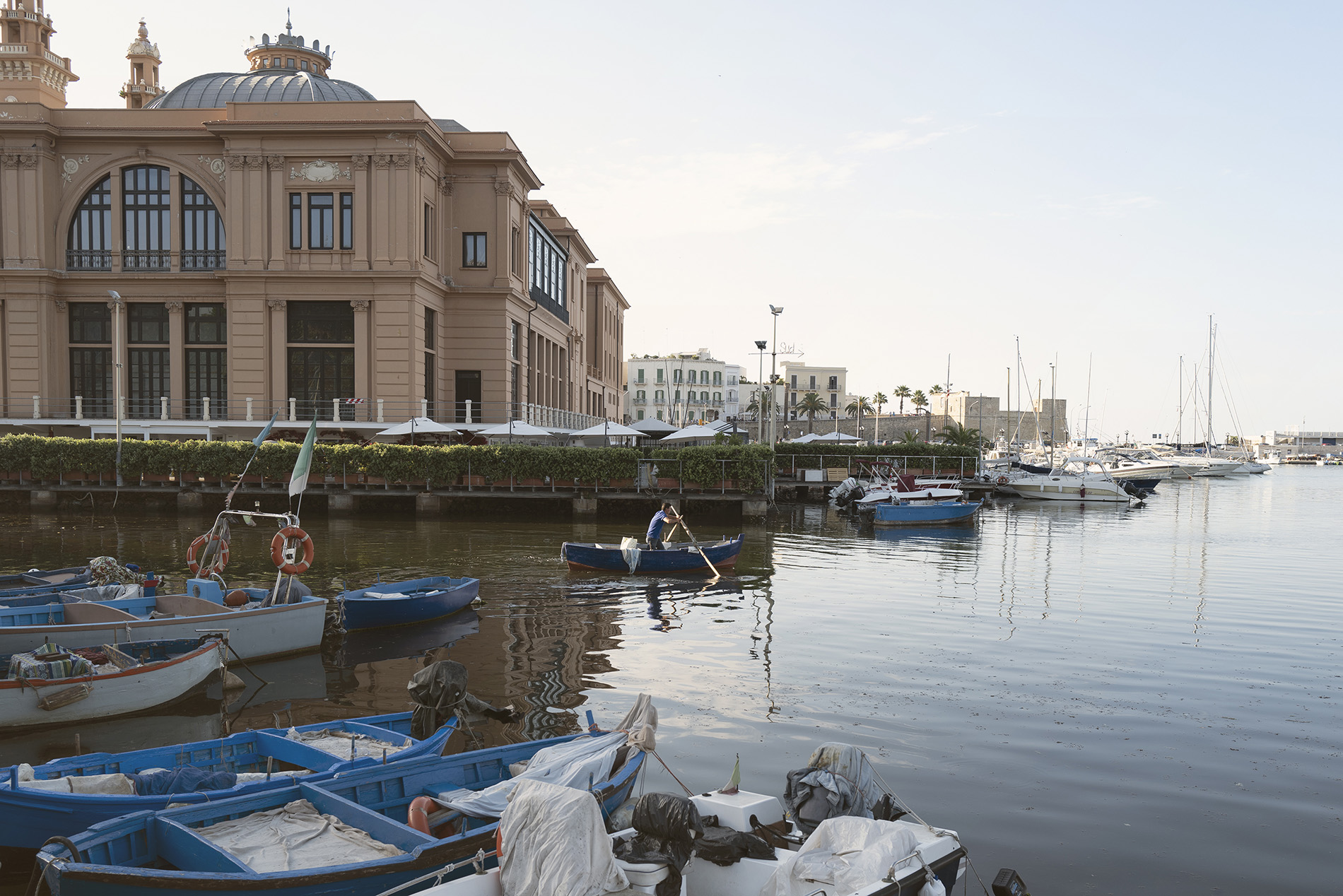
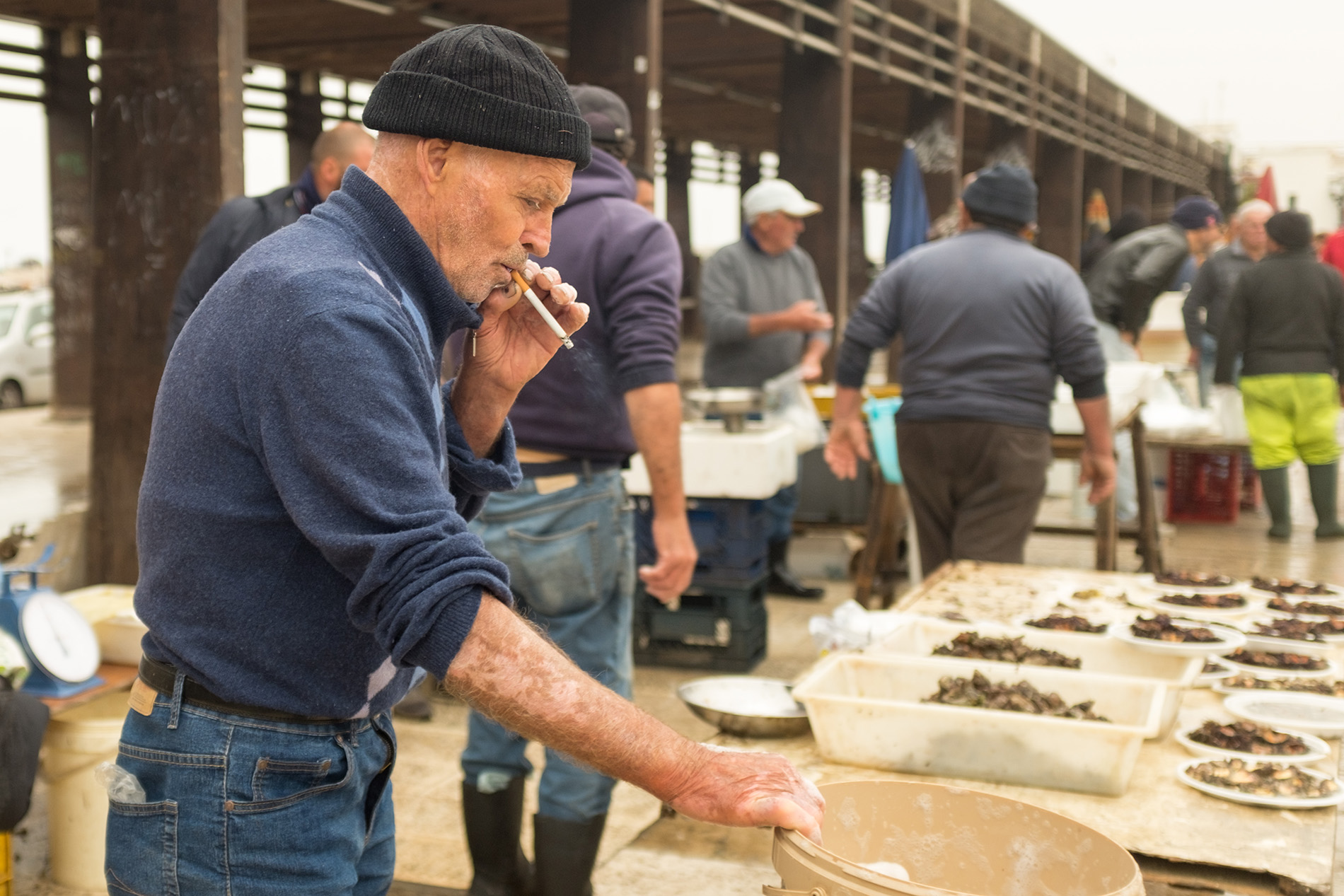
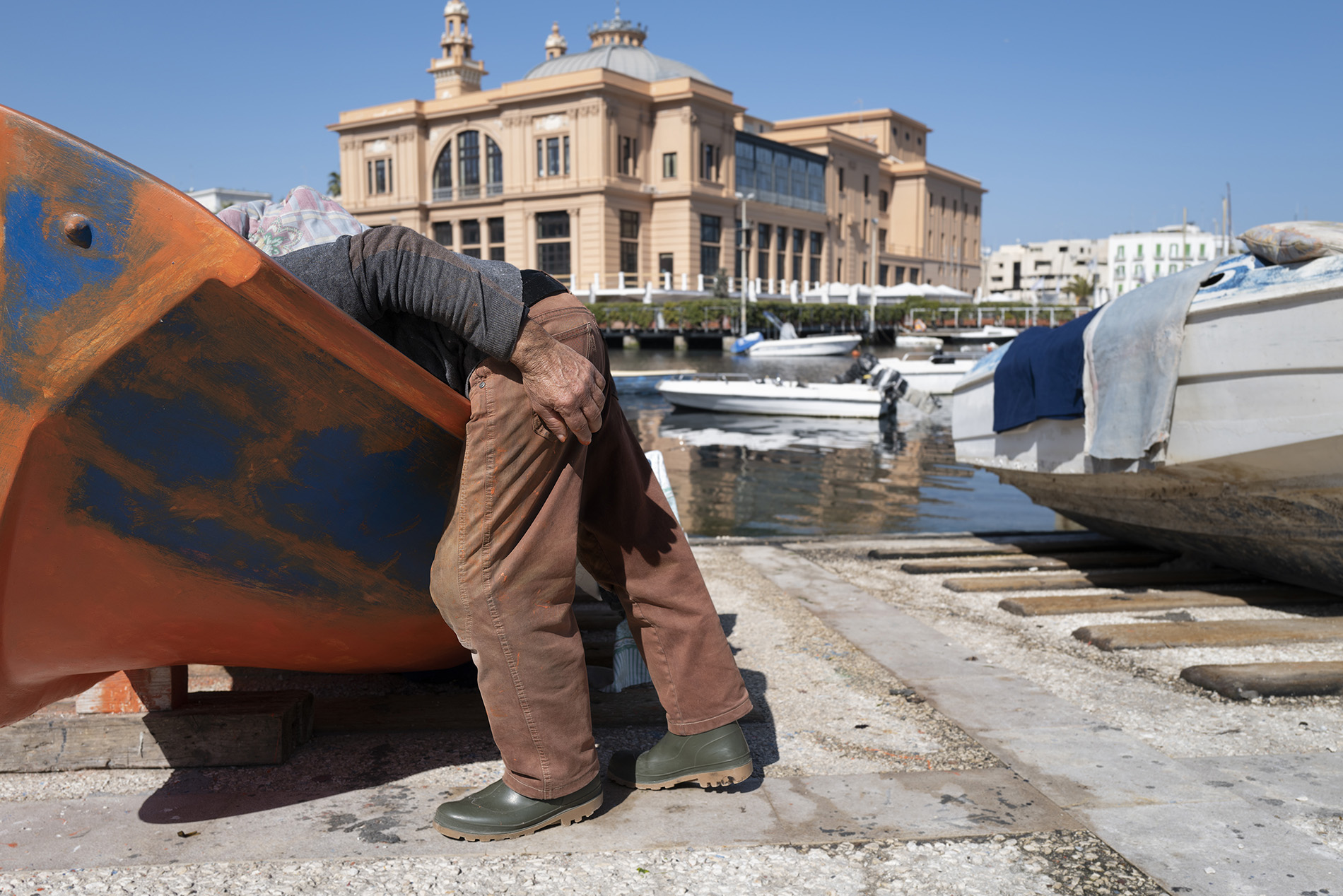
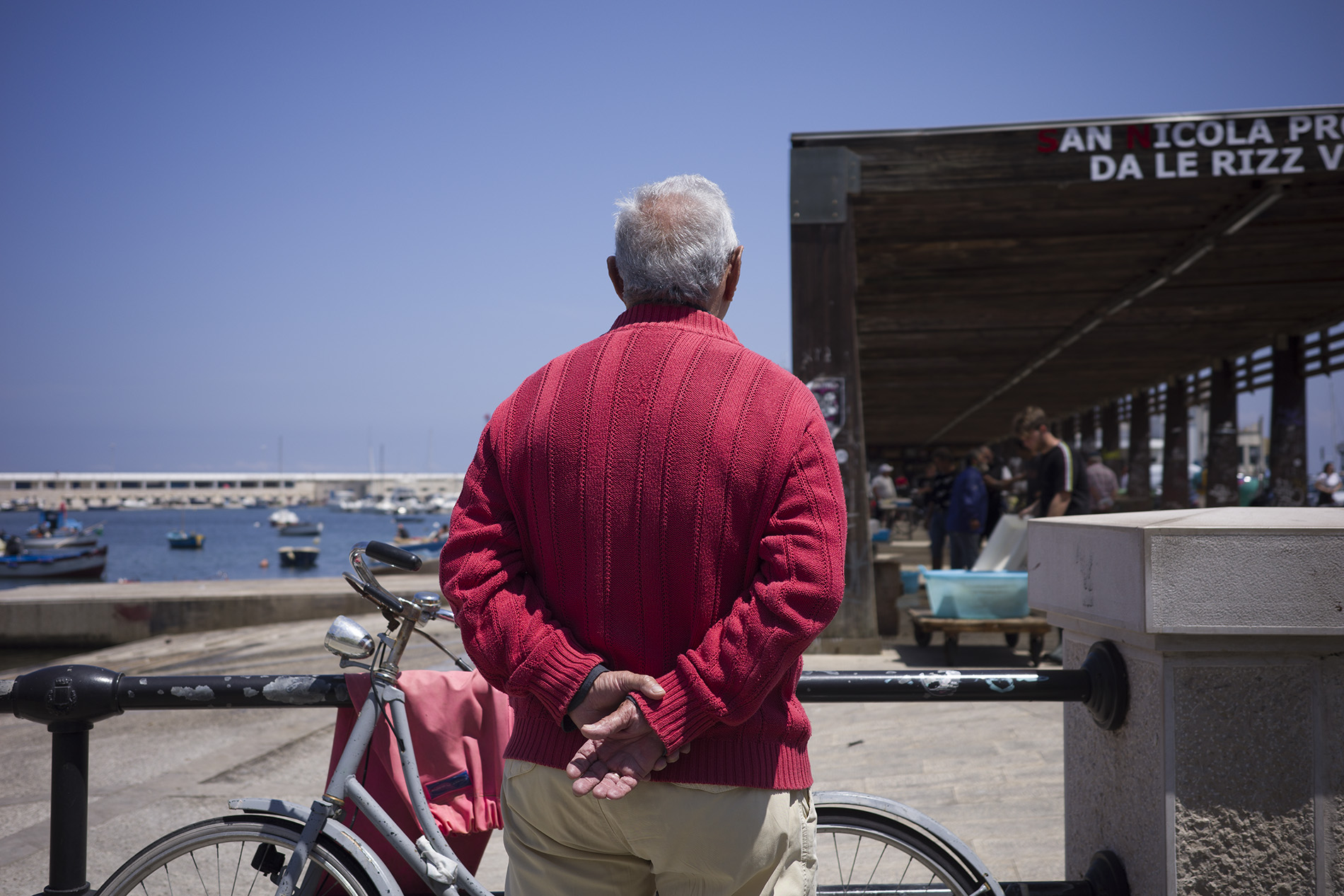
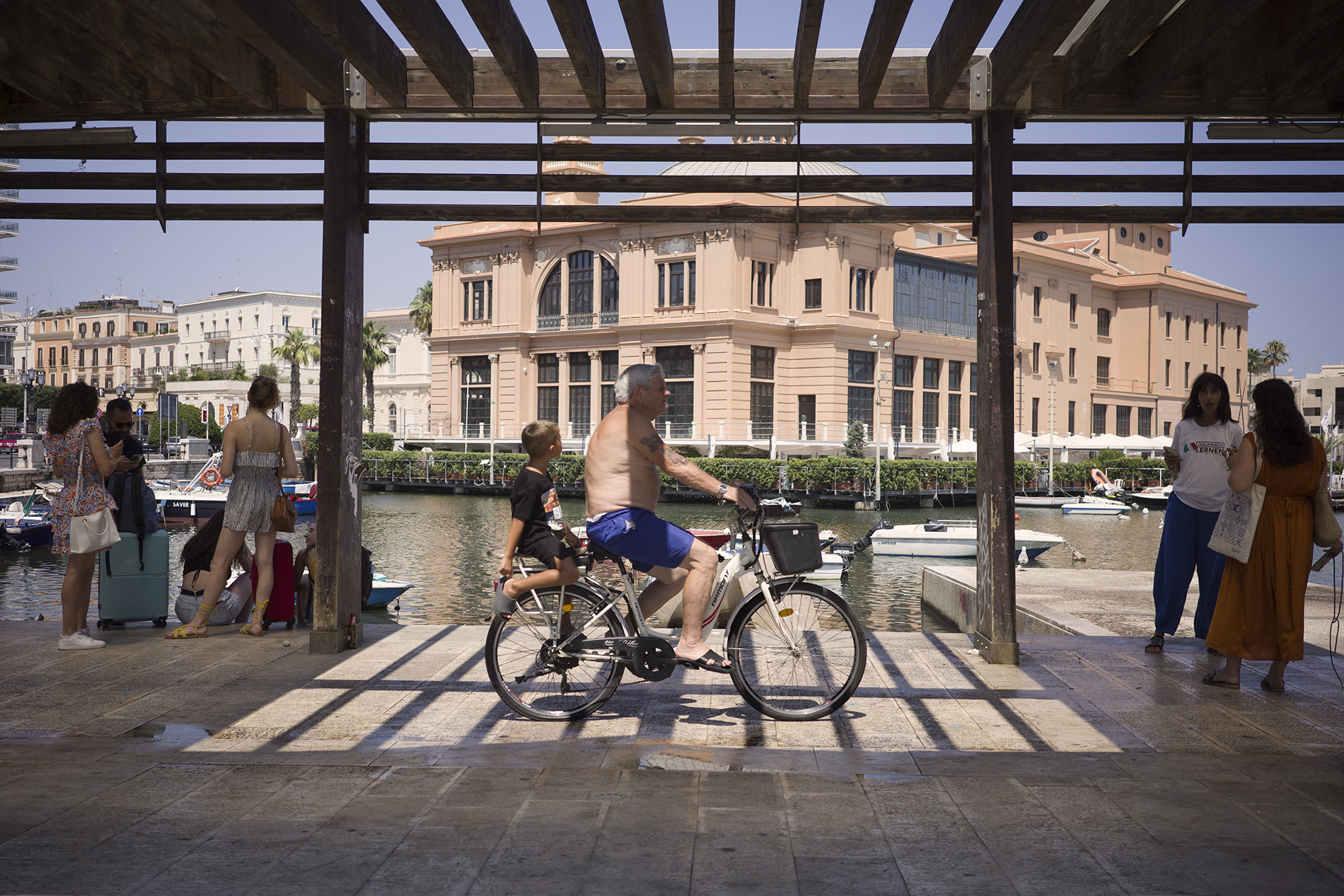
Un'altra componente, più eterogenea socialmente ma più segnata dal punto di vista generazionale, è costituita dai giovani che popolano il molo di San Nicola, adiacente al teatro Margherita, alternandosi ed integrandosi con i pescatori che, attraccati al molo con i loro trabiccoli, lasciano che il pescato sia gustato al momento in tutta la sua freschezza: un incontro tra tempeste, profumi e quiete che sprigiona un’atavica connessione tra uomini e mare. Dal mare viene quella straordinaria elasticità e disponibilità alla relazione con l’altro che è l’anima nobile del mercante ma anche il tratto coraggioso e spregiudicato che è la disposizione necessaria verso la modernità.
Per sempre il mare appartiene a chi, dalla terra al mare e dal mare alla terra, ogni giorno cerca ristoro dell’anima e aneliti di libertà.
Throughout the 20th century, the city of Bari gradually turned its back on the sea. This distancing began during the Fascist era, when the old town was walled off and Lungomare Nazario Sauro took on a monumental character, lined with black iron street lamps and granite benches, guarded by austere white barracks that stare defiantly out at the sea. The building boom—and the urban devastation of the Murattiano district during the 1960s and ’70s—further weakened the city's connection to the water. From an urban planning perspective, Bari still remains largely detached from its coastline; even its port is somewhat cut off, despite recent efforts to reverse this trend.
Yet, paradoxically, the sea is what gave Bari its strength. It allowed the city to link its productive hinterland with the rest of Italy and Europe, building prosperity on this very act of mediation. The bond between the sea and its people runs deep—part of the city's DNA since 1087, when the relics of Saint Nicholas were brought over from Myra. There exists a distinctly maritime identity here, rooted in a cultural heritage that reveres the sea—loved, feared, and respected in equal measure.
The people of Bari are drawn to the sea with an almost stubborn longing, an ever-present urge to “reclaim” it—so close, yet so distant. They breathe it in, live it fully in every season, especially in their free time. Many residents from working-class neighborhoods have transformed corners of the waterfront into makeshift living rooms, placing chairs and tables along the Lungomare. From the grand entrance of the Fiera del Levante to the Fortino in the north, and from the Rotonda to Pane e Pomodoro in the south, these modest setups reflect a desire to domesticate the sea, to make it part of everyday life.
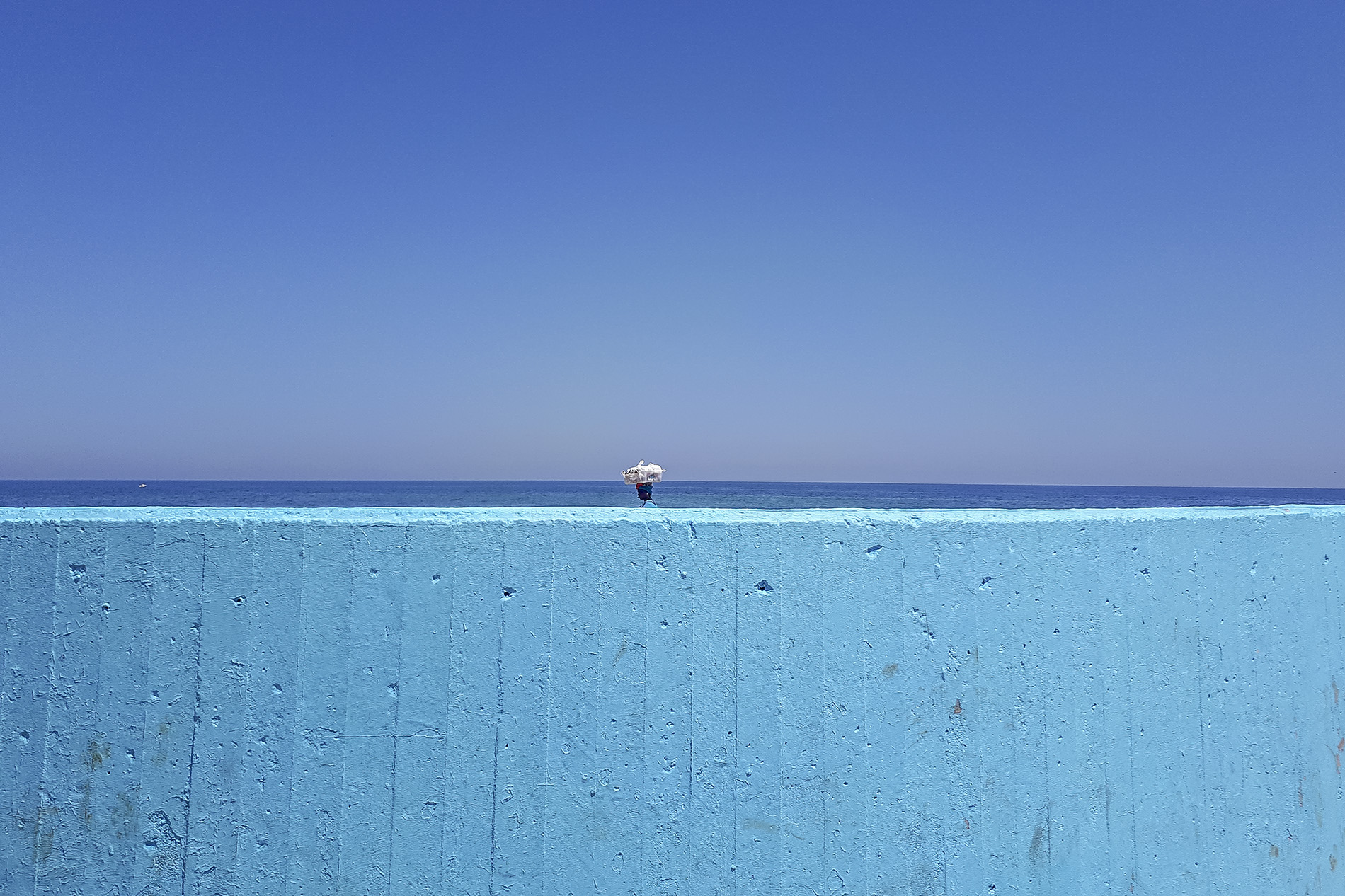
These promenades are not just scenic spots—they are living, breathing spaces of a deeply rooted identity, one that sees the sea not merely as a backdrop, but as a “liquid frontier.” On one side, it anchors the city to its past and its memories; on the other, it opens up to the boundless realm of imagination and new encounters.
Another, more socially diverse but distinctly younger group, gravitates toward the San Nicola pier near the Teatro Margherita. Here, they mingle effortlessly with local fishermen who dock their rickety boats and serve up the day’s catch on the spot, fresh and full of flavor. It’s a sensory convergence — of tempests, aromas, and tranquility — that evokes a primal bond between humans and the sea.
The sea has gifted Bari with a natural openness and flexibility, the noble spirit of the merchant and the daring drive of the modern mind. It belongs forever to those who move between land and water in search of soul-deep solace and the winds of freedom.