Projects
Age Pride
Year
2015-ON GOING
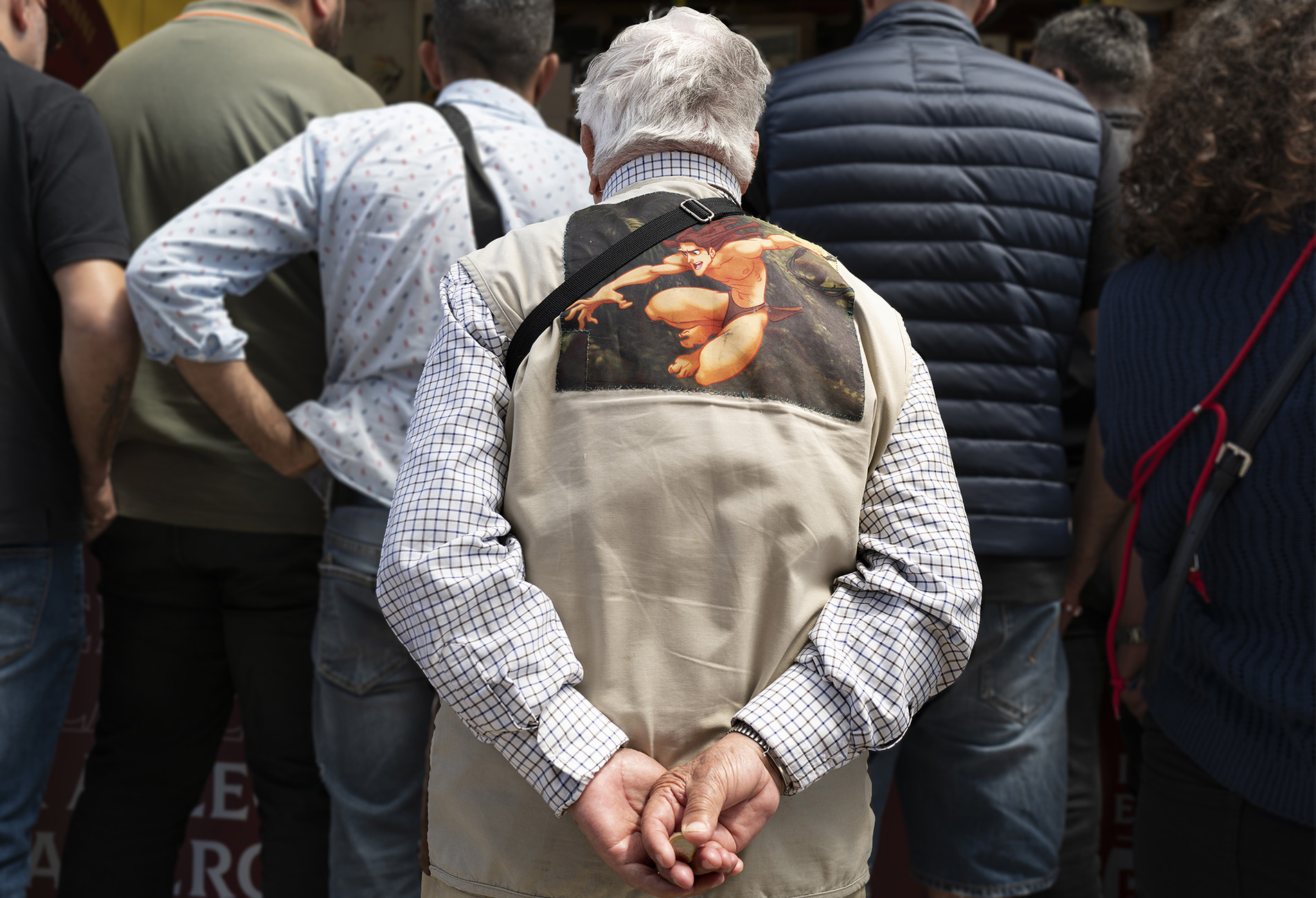
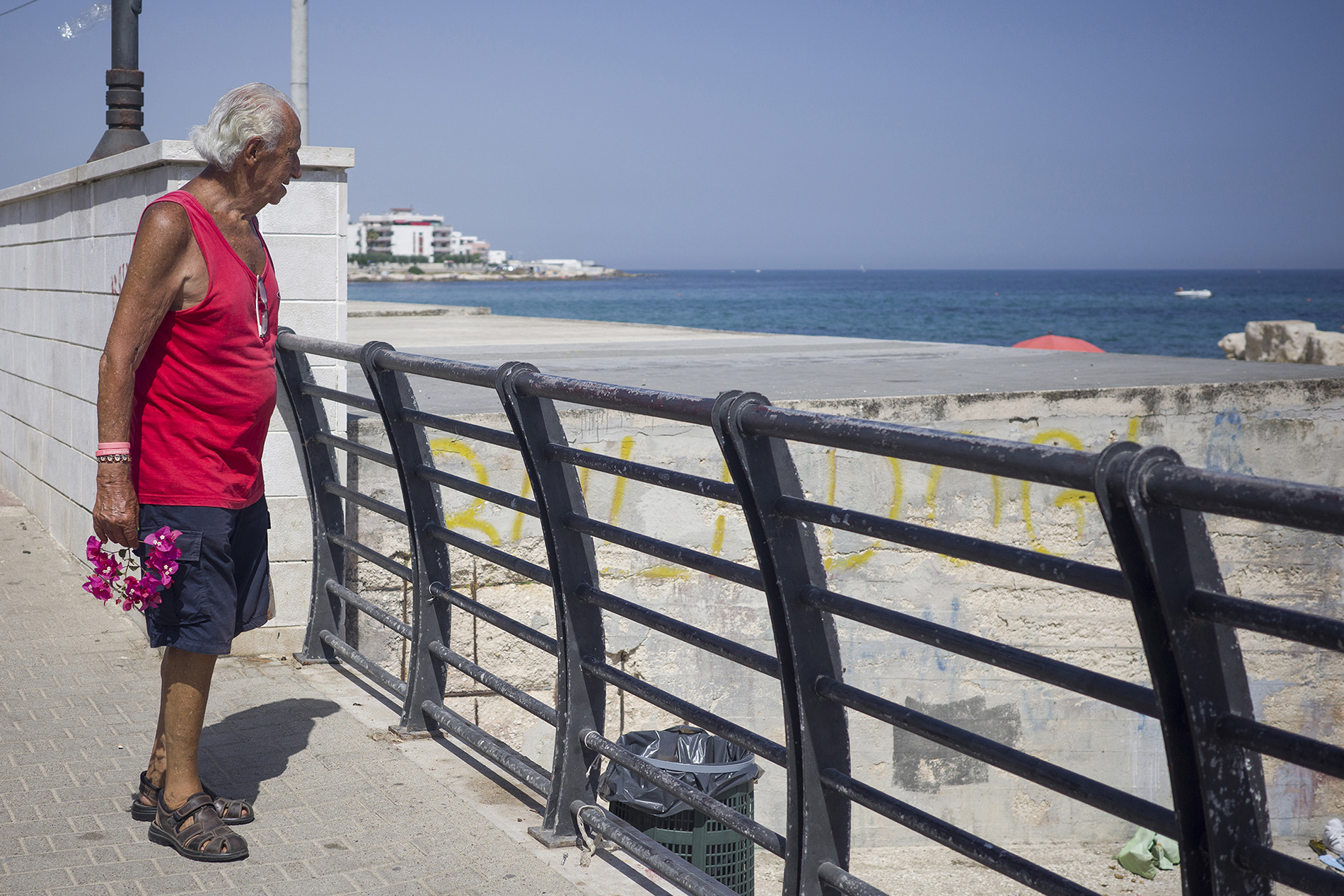
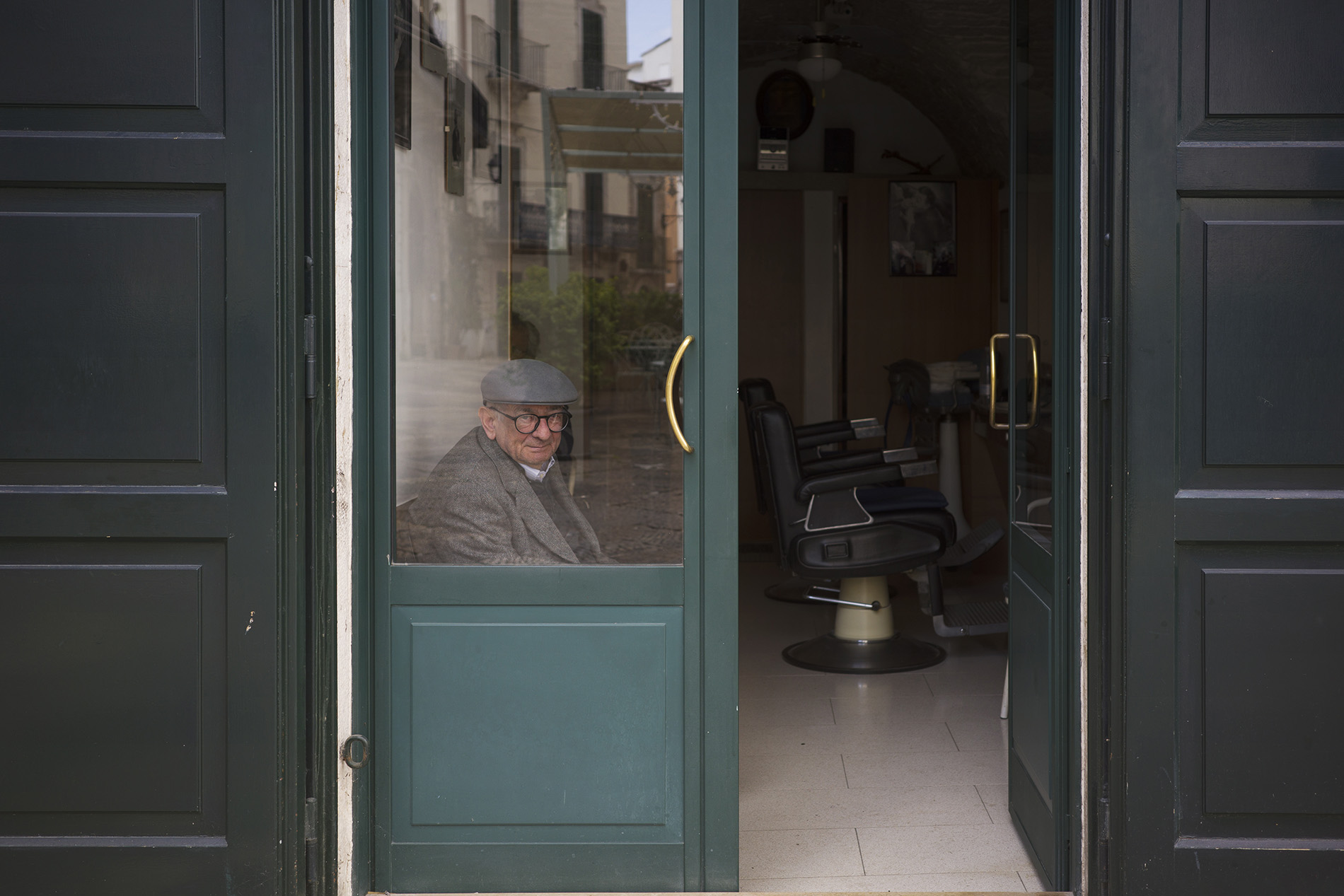
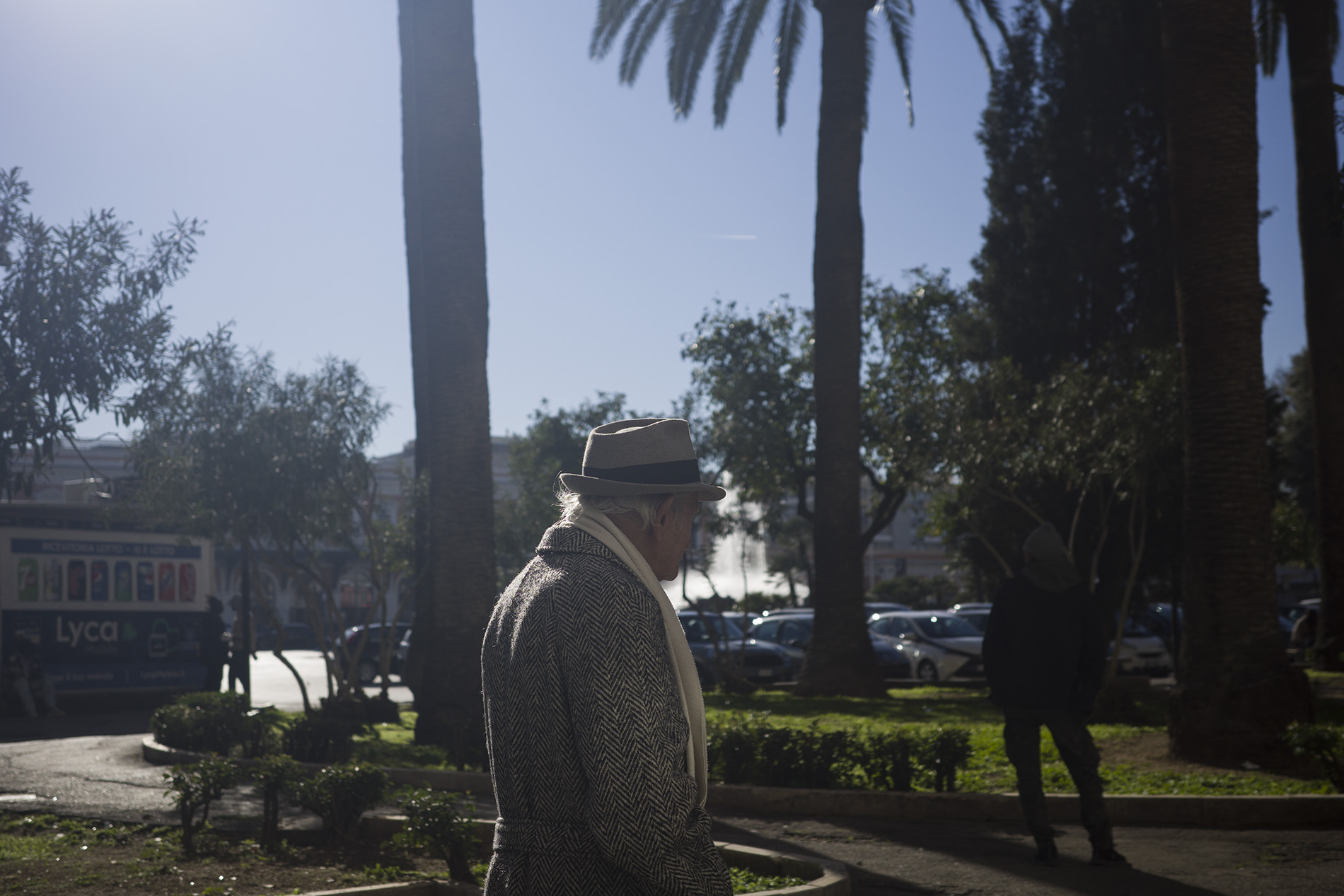
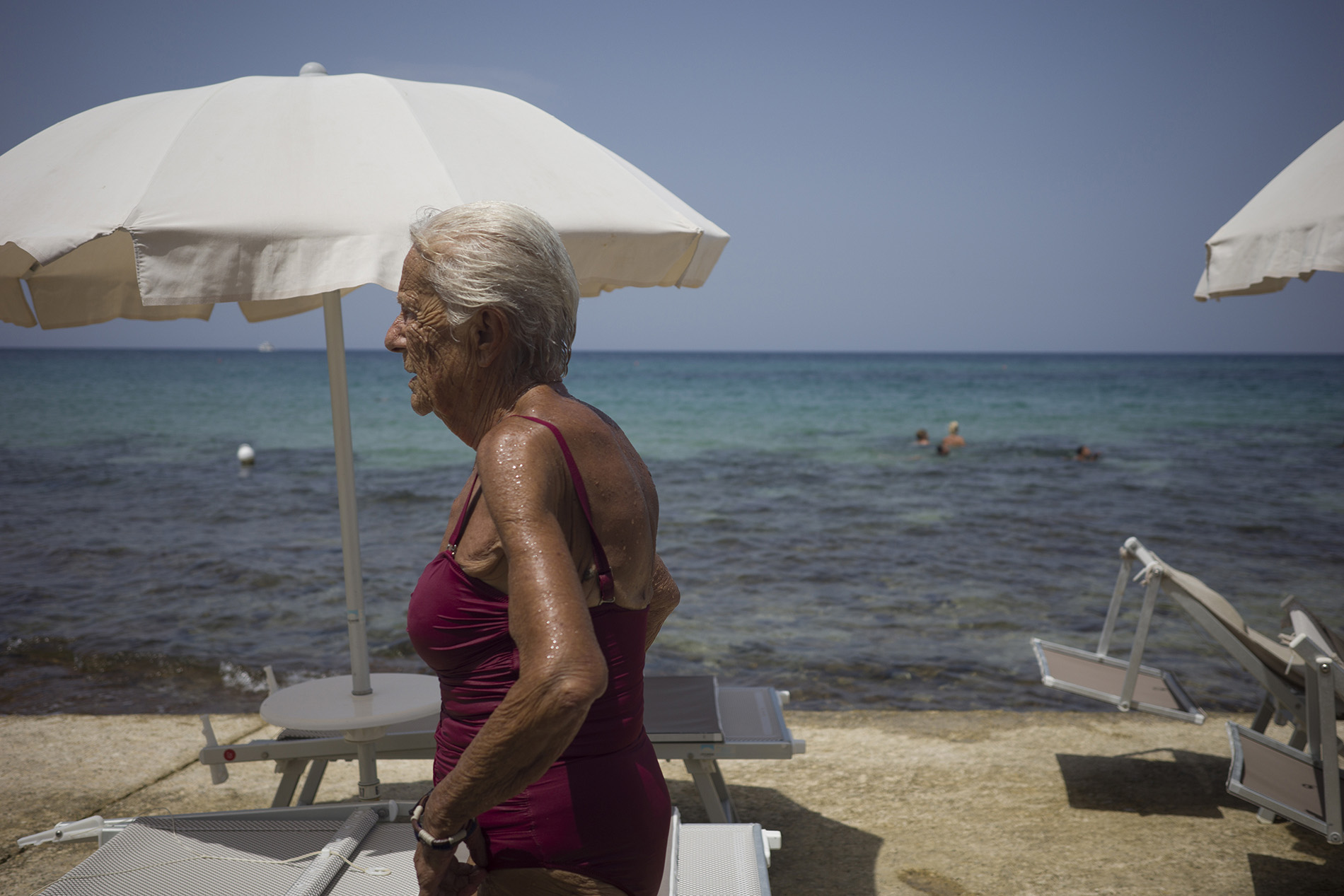
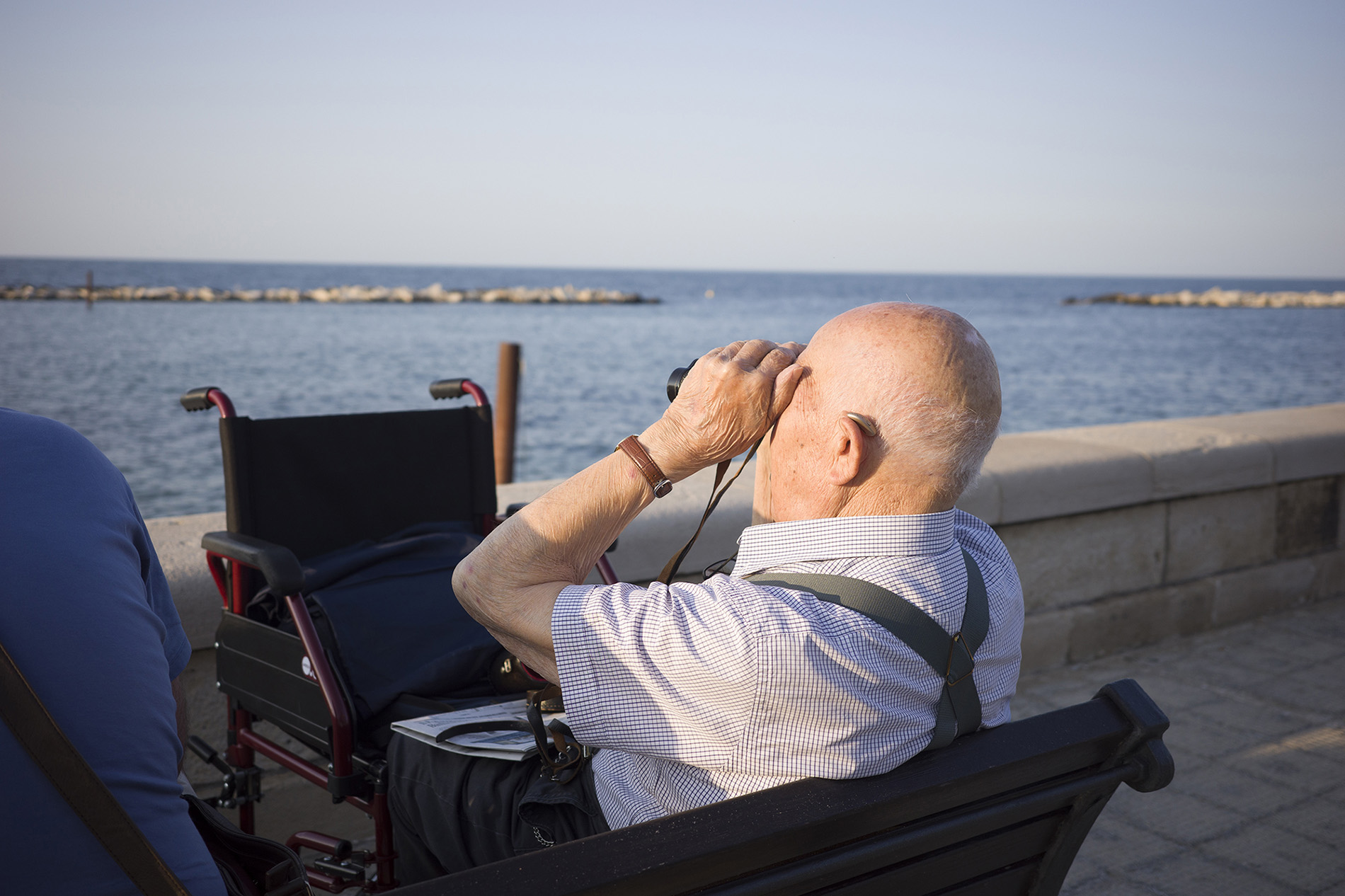
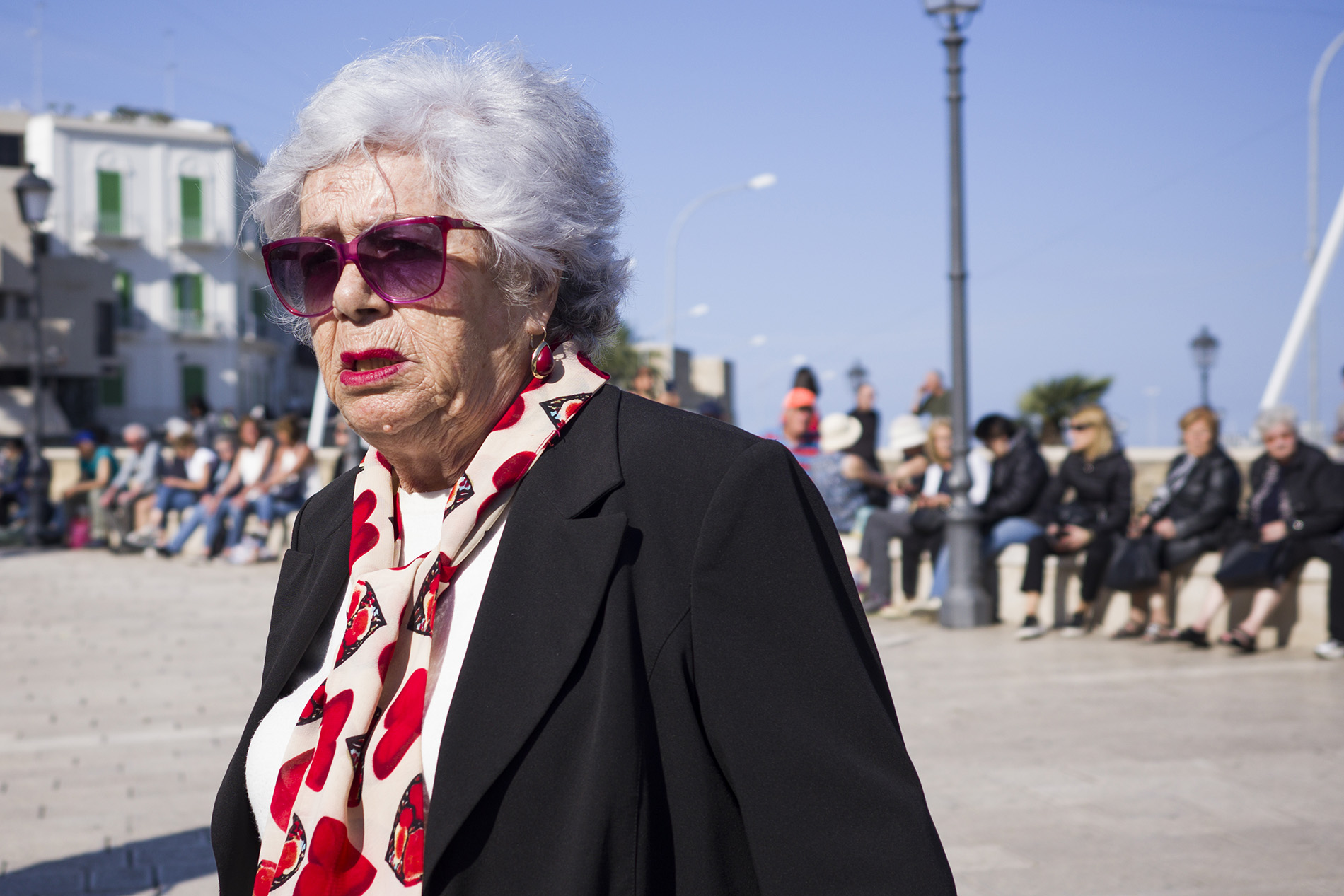
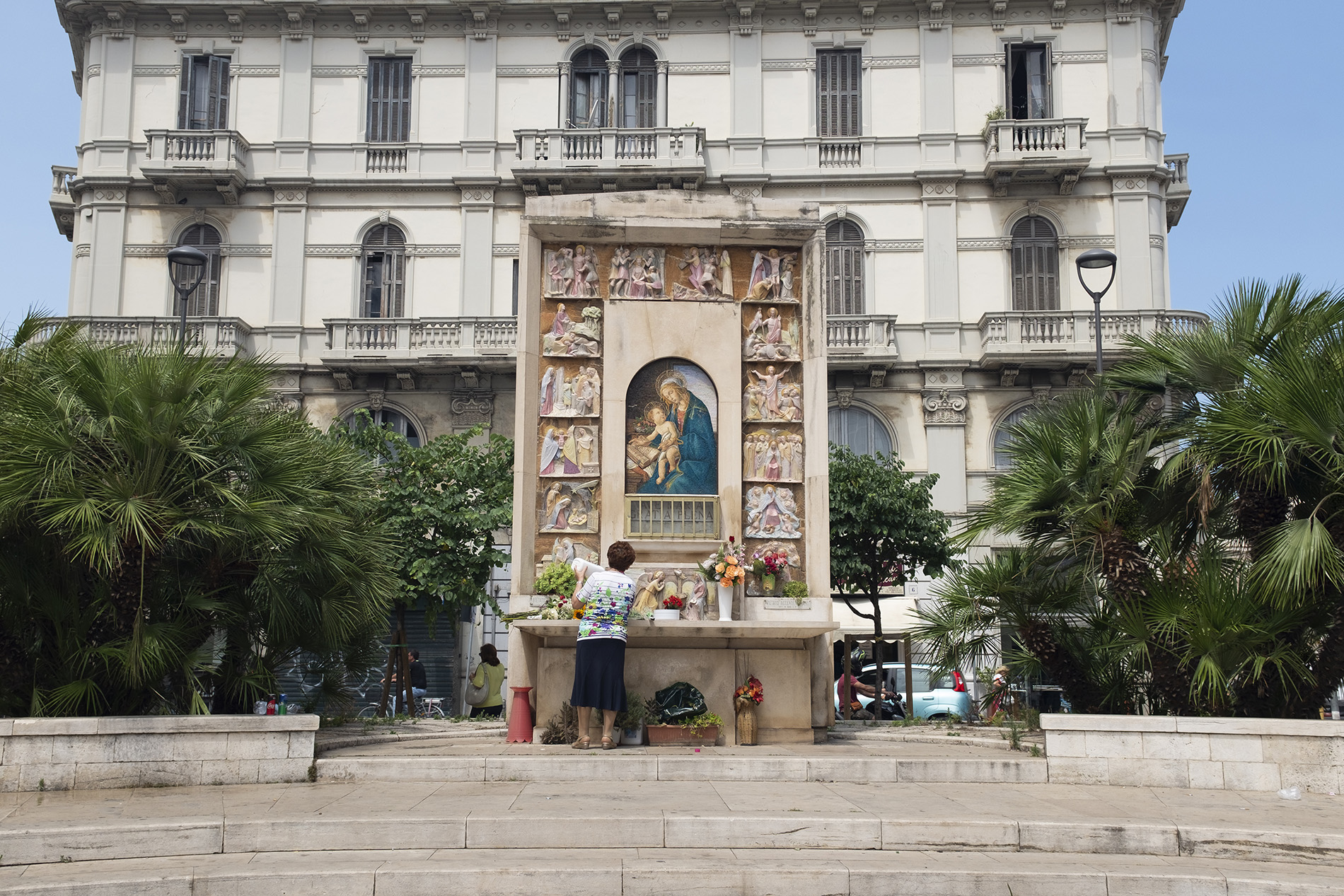
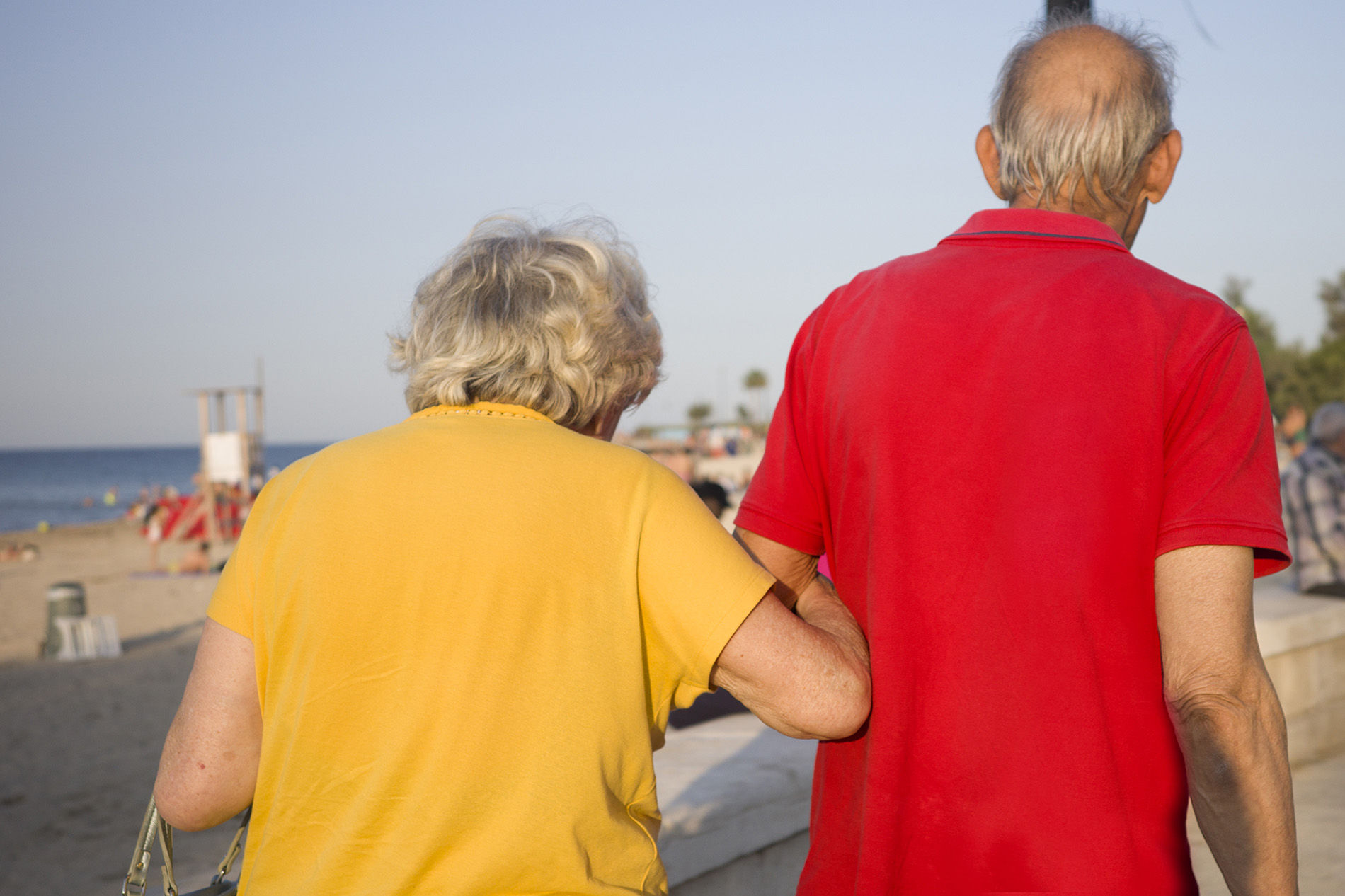
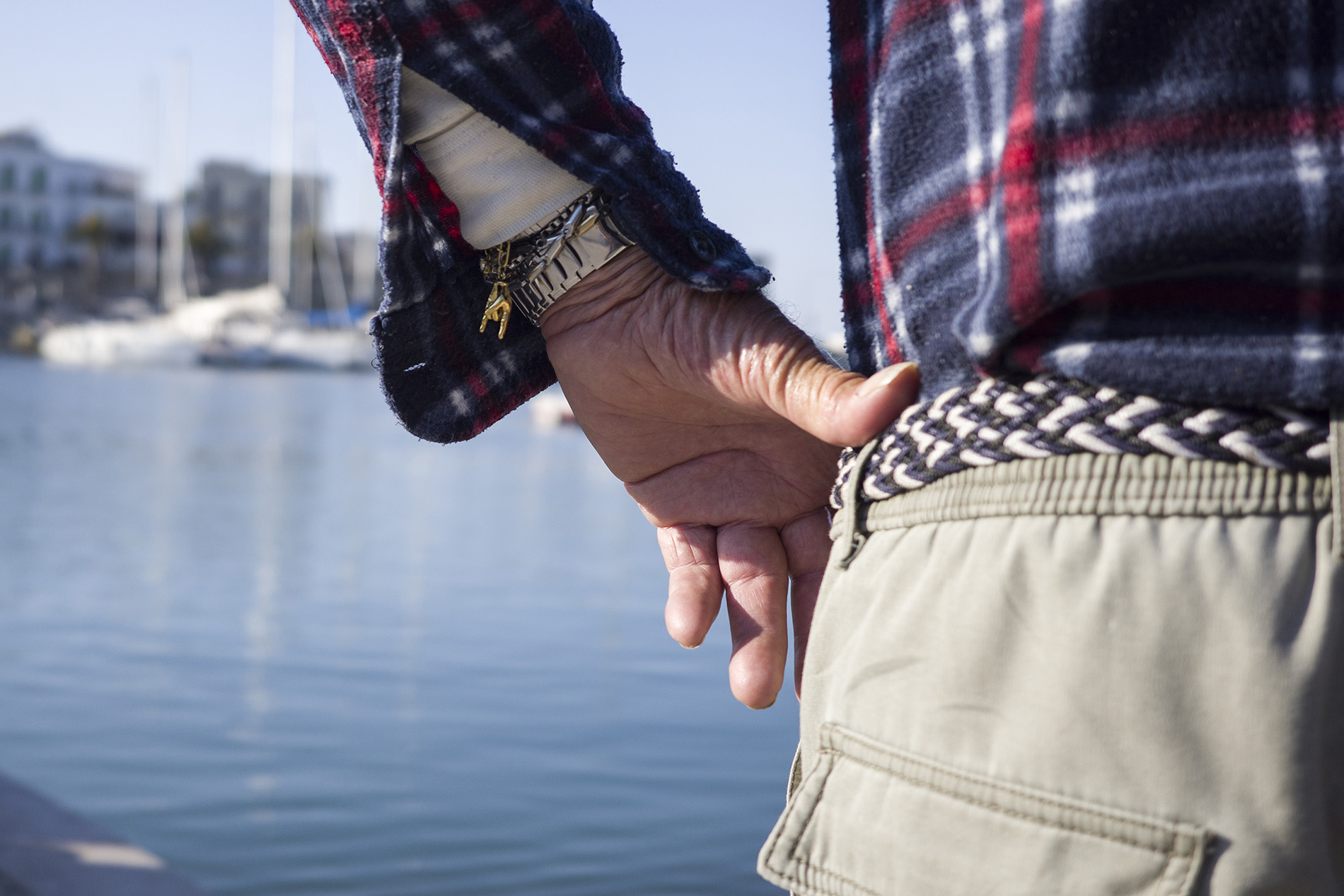
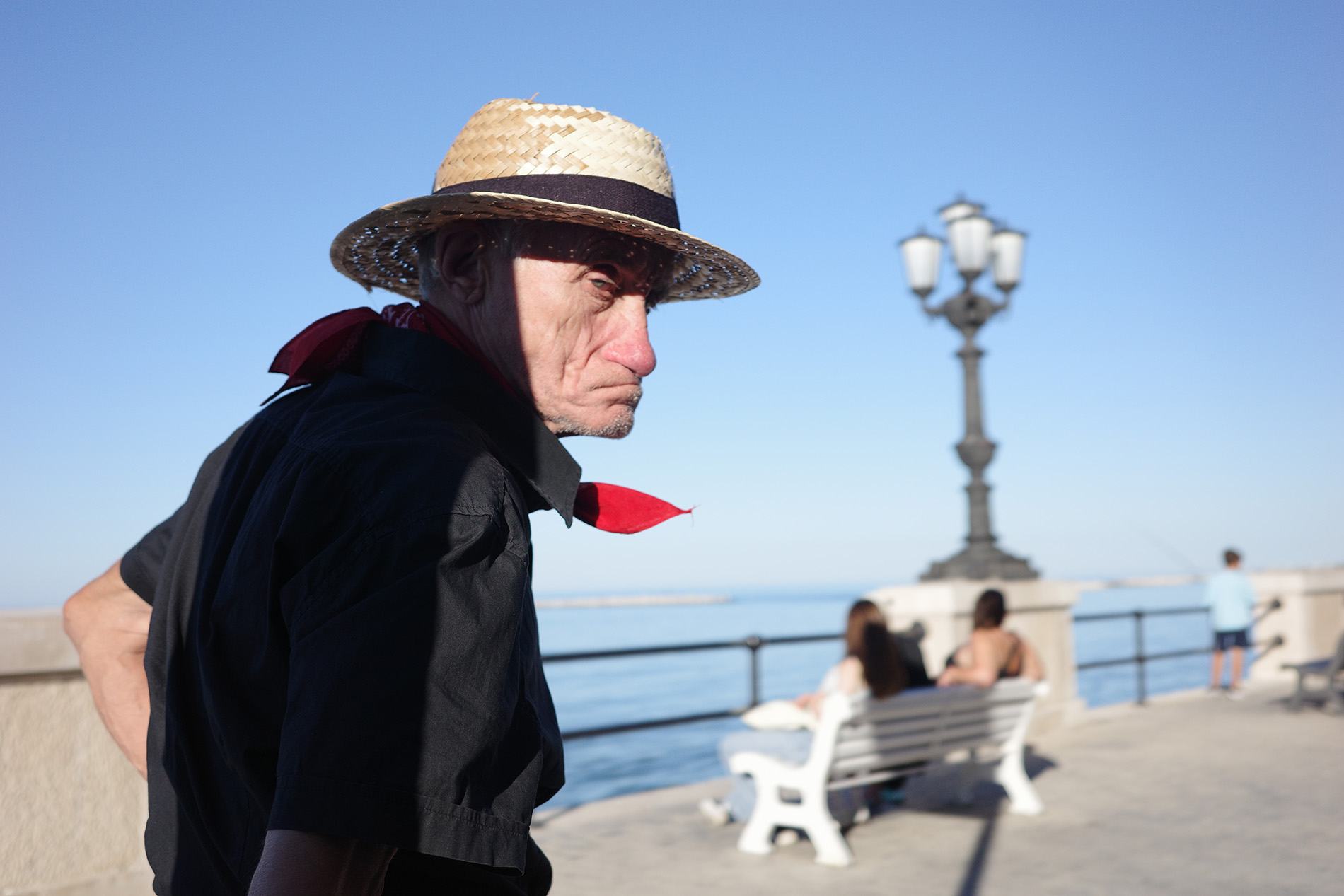
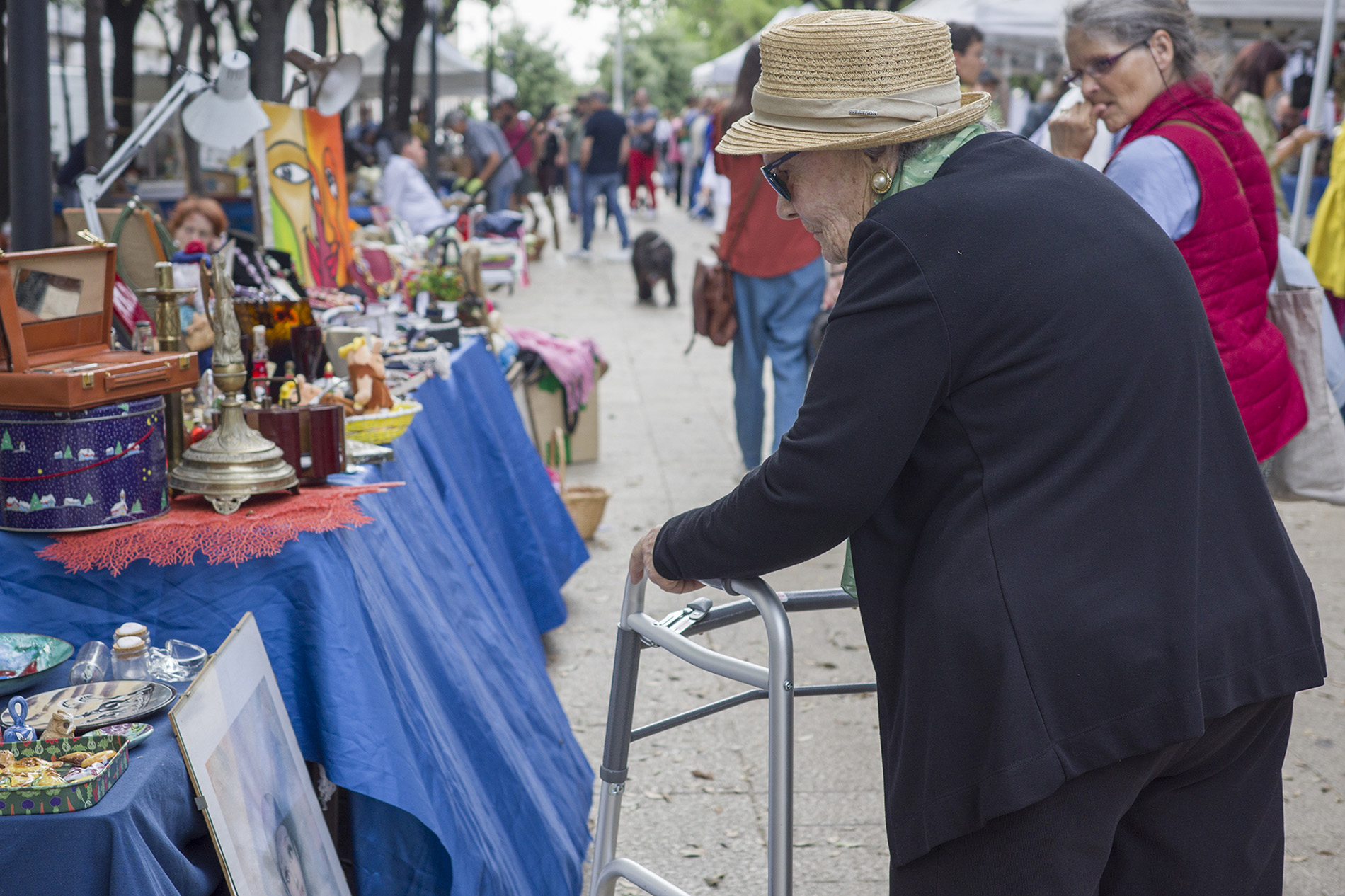
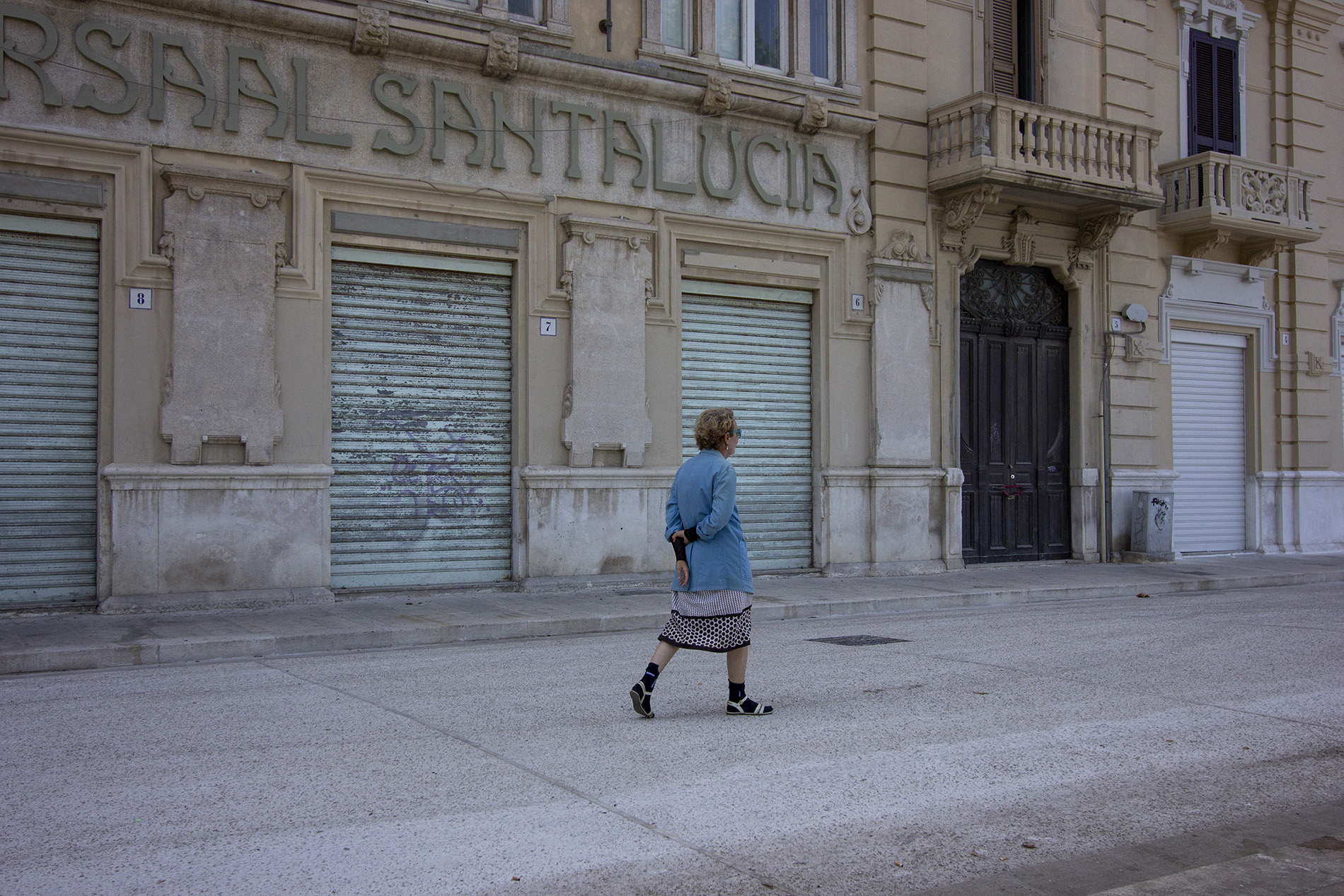
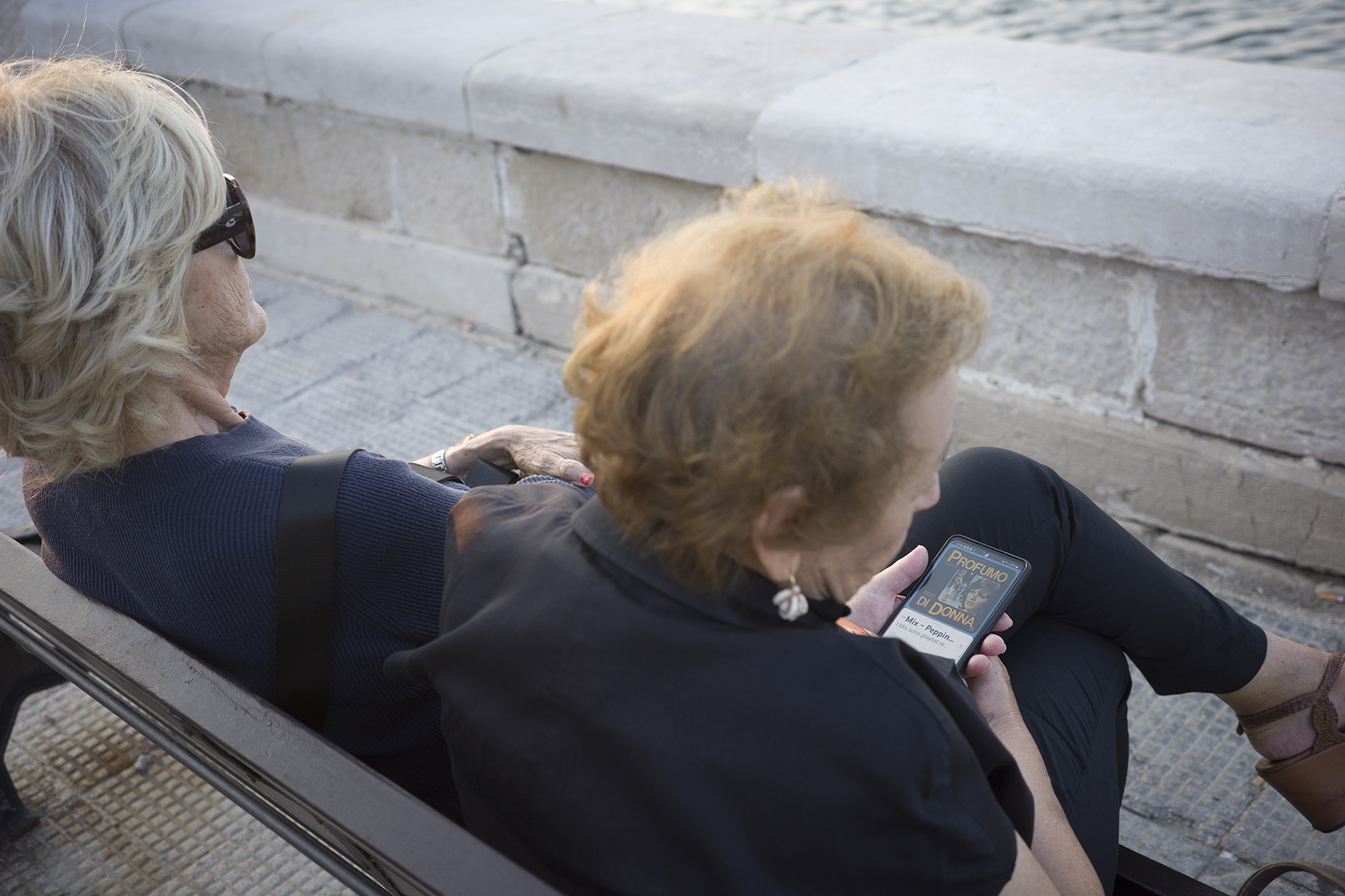
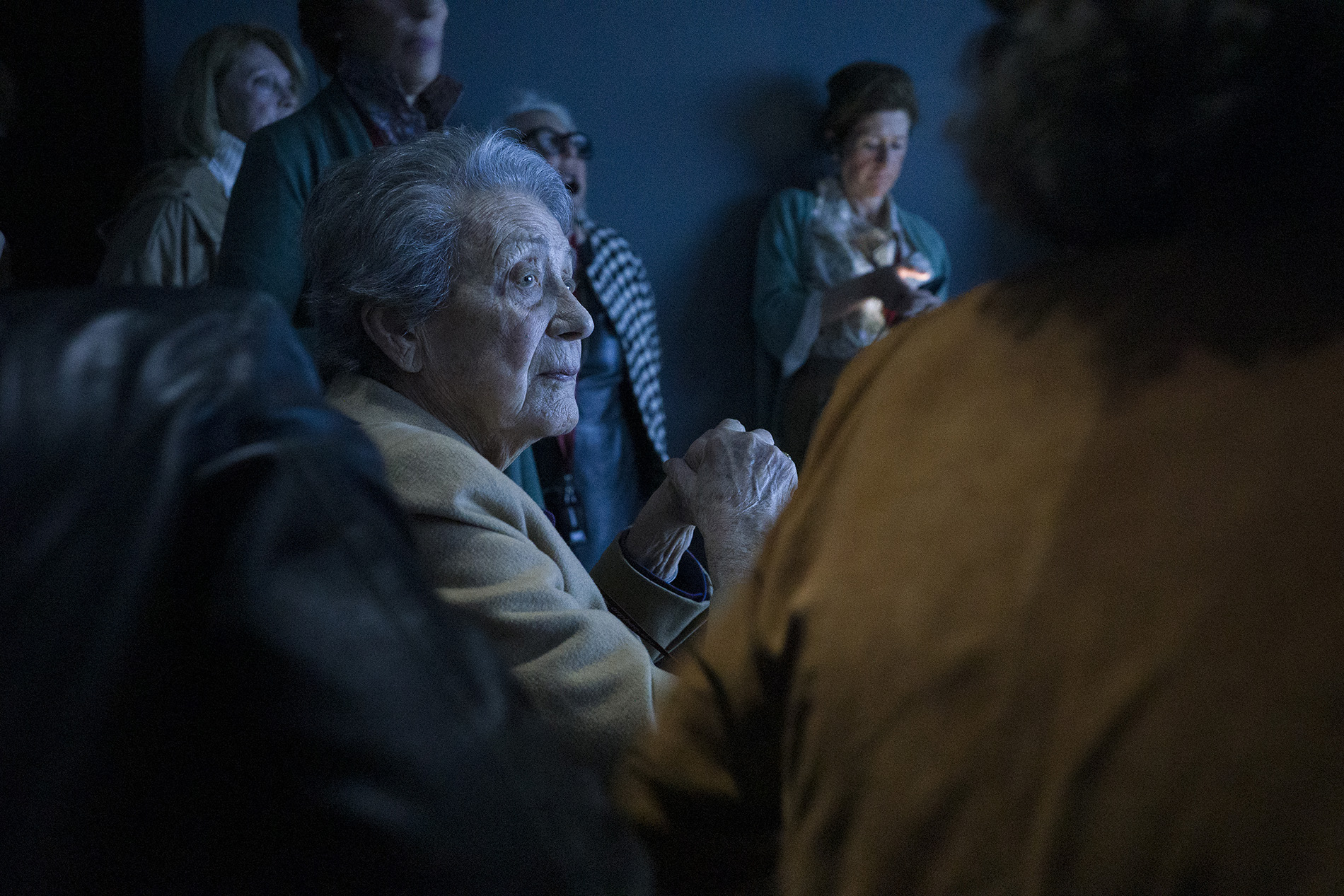
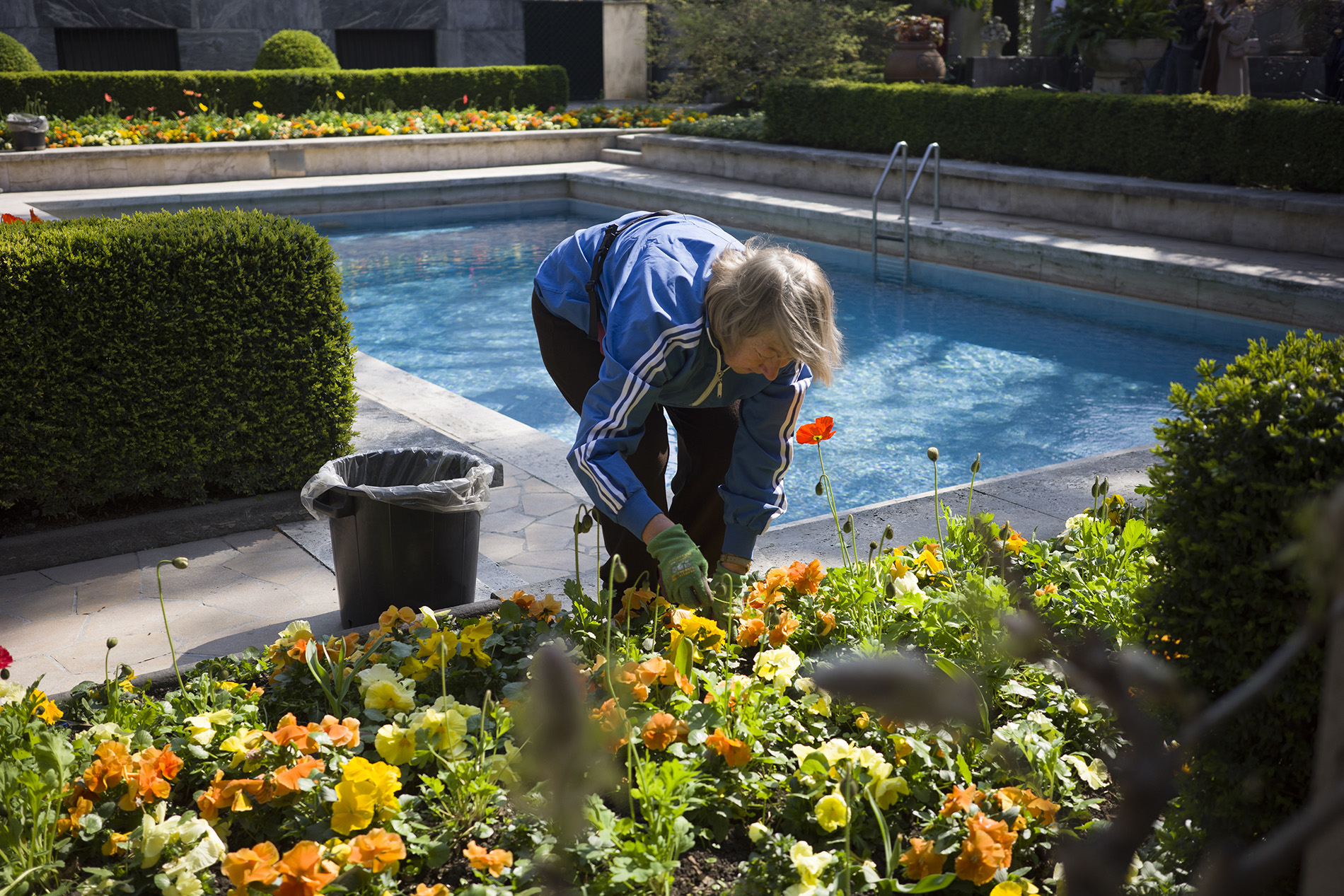
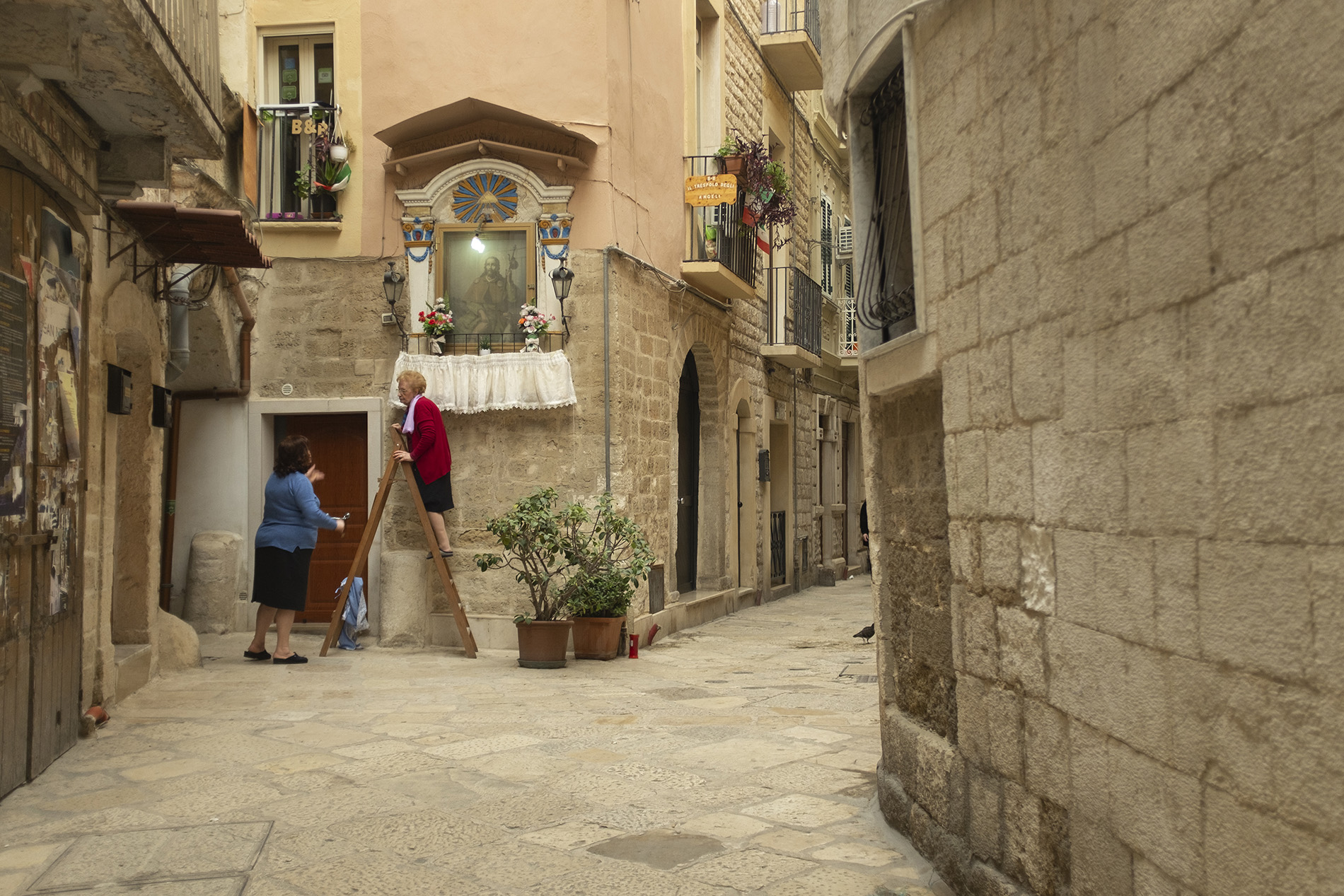
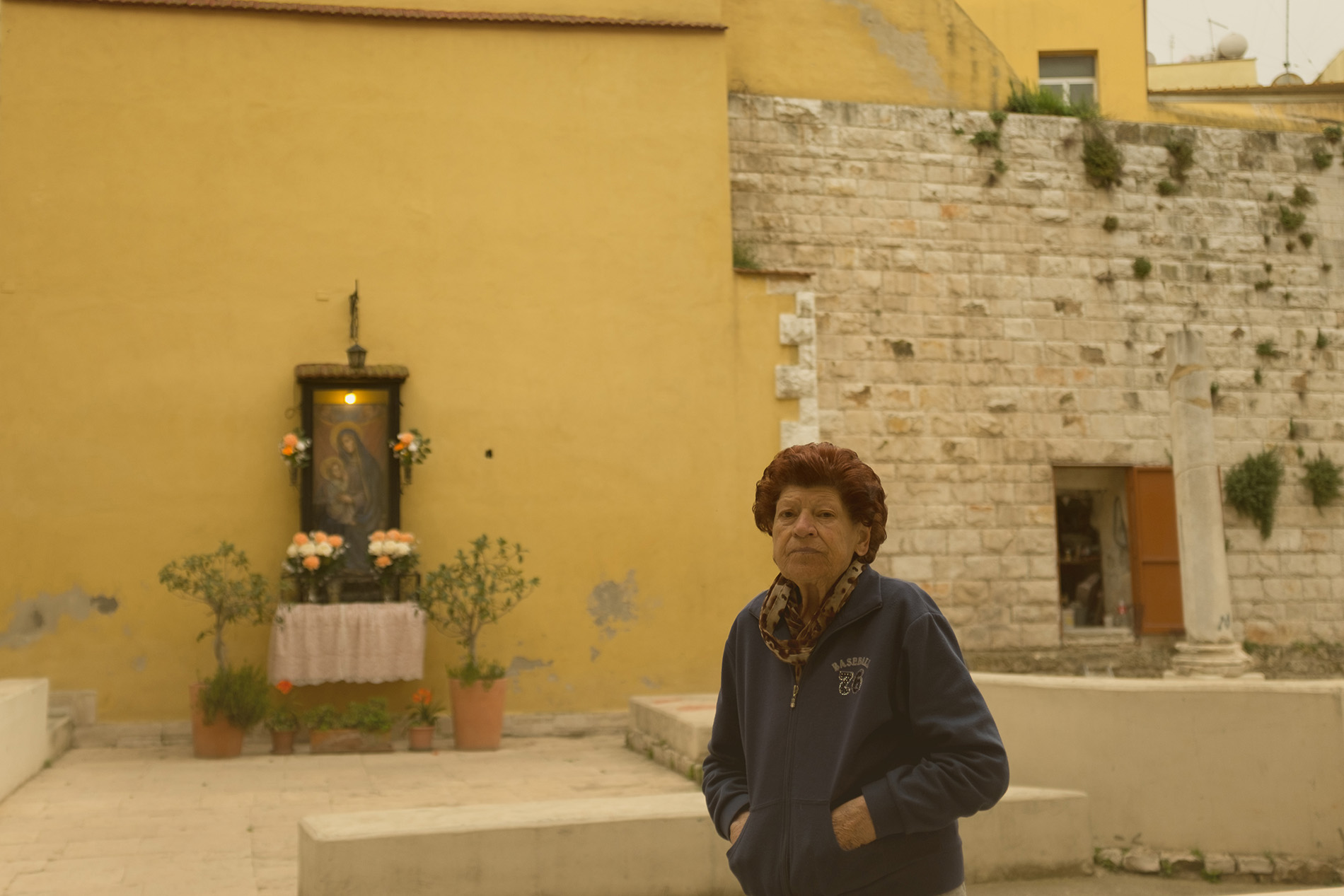
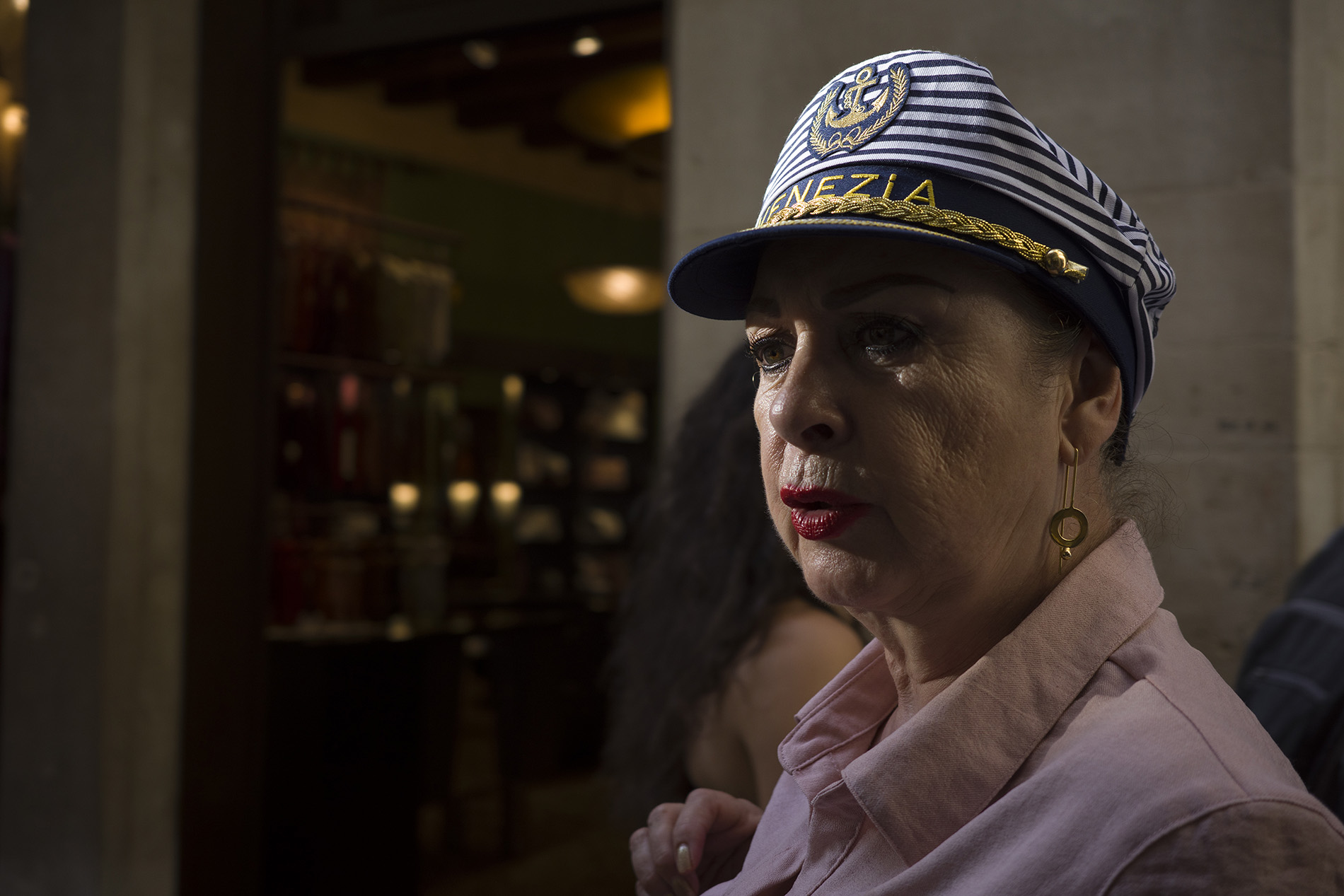
Nell’era dell’ultra digitalizzazione, dei ritmi di vita accelerata, il “paesaggio umano” diviene sempre più caratterizzato da generazioni e dal loro divario. Secondo i dati dell'Organizzazione Mondiale della Sanità, nel 2050 nel mondo ci saranno due miliardi di ultrasessantenni: dunque, una persona su cinque sarà anziana. La domanda ricorrente nella mente di ciascun uomo è quella che riguarda il tempo, la vecchiaia, altrettanto spesso si tende però a non voler affrontare questo tema, come se fosse uno stigma da esorcizzare, come se l’anziano fosse solo “la parte più fragile” della società, di un’età infelice, intesa solo come l’età dell’assistenza e del bisogno. Pensare agli anziani come esseri umani, come risorsa, tesoro da valorizzare, rappresenta, infatti, una sfida culturale, antropologica ed economica di un futuro che possa portare nel tessuto sociale quella nuova linfa di umanesimo che renderebbe più solidale la società. L’età dei non più giovani è un’età in cui si vive il tempo in ogni sfumatura, in maniera naturale, lentamente ma anche con la voglia di andare avanti godendo della vita, con la voglia di continuare il viaggio con la curiosità della scoperta, con uno sguardo attento alle novità dei tempi. Necessita imparare a guardare la vecchiaia come una stagione che porti ancora nuovi frutti, gli anziani non come “scarto” ma come naturale risorsa, memoria del paese e dell’umanità. Il tempo diviene dunque un alleato della rivoluzione interiore, della rivoluzione della tenerezza perché la bellezza dell’essere umano è senza età. La generazione del Terzo tempo, la generazione degli anziani mi ha dato lo spunto per scattare una serie di istantanee (fotografie di strada che è il genere da me prediletto) che li ritraggono nella loro quotidianità, nella loro spontaneità nel loro tempo, cristallizzando il momento in bilico tra epoche e luoghi, tra gesti e sguardi.
In the era of ultra digitalisation, of accelerated life rhythms, the "human landscape" is becoming increasingly characterized by generations and their gaps. According to data from the World Health Organization, in 2050 there will be two billion people over the age of sixty in the world: therefore, one in five people will be elderly. The recurring question in every man's mind is that which concerns time, old age, but just as often we tend not to want to address this topic, as if it were a stigma to be exorcised, as if the elderly were only "the most fragile part ” of society, of an unhappy age, understood only as the age of assistance and need. Thinking of the elderly as human beings, as a resource, a treasure to be valorised, represents, in fact, a cultural, anthropological and economic challenge for a future that can bring into the social fabric that new lifeblood of humanism that would make society more united. The age of those who are no longer young is an age in which time is experienced in every nuance, in a natural way, slowly but also with the desire to move forward enjoying life, with the desire to continue the journey with the curiosity of discovery , with an attentive eye to the innovations of the times. We need to learn to look at old age as a season that still bears new fruits, the elderly not as "waste" but as a natural resource, memory of the country and of humanity. Time therefore becomes an ally of the internal revolution, of the revolution of tenderness because the beauty of the human being is ageless. The generation of the Third Time, the generation of the elderly gave me the inspiration to take a series of snapshots (street photographs which is my favorite genre) which portray them in their daily lives, in their spontaneity in their time, crystallizing the moment poised between eras and places, between gestures and glances.